
What is Cord Blood Banking and Can I Do It With Surrogacy?

When you hear the term “cord blood banking,” it might sound a little unfamiliar at first. In reality, it is a process that many new parents are beginning to consider as part of their birth plan. For families working with a surrogate, the question often comes up: Is cord blood banking an option, and how does it work in a surrogacy journey?
What Exactly Is Cord Blood Banking?

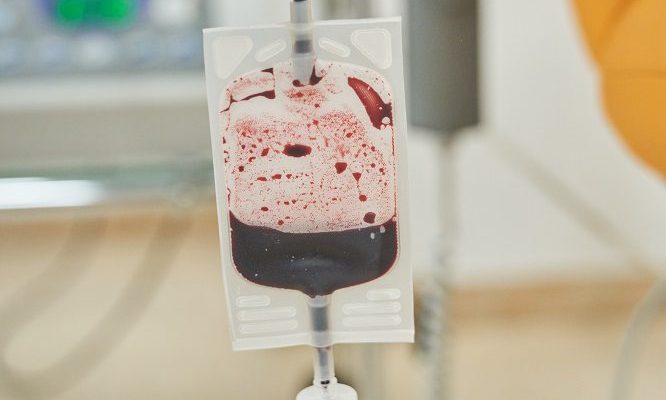
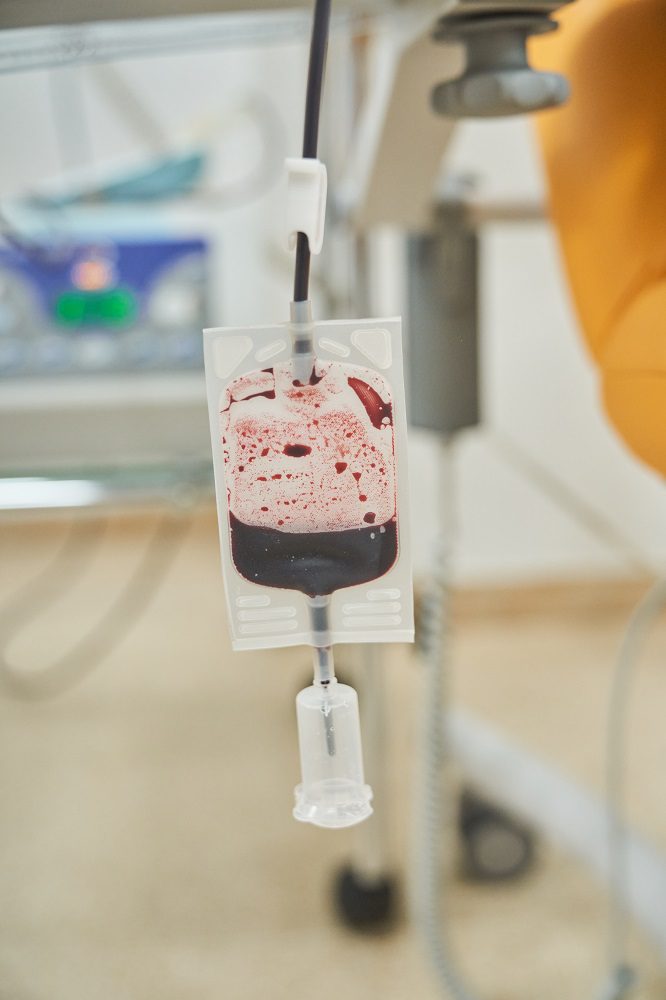
Cord blood banking is the collection and storage of blood from a newborn’s umbilical cord after delivery. This blood is rich in stem cells, which can be used in the future to treat certain medical conditions such as blood disorders, immune deficiencies, or even some cancers. Think of it as saving a resource that could provide powerful medical benefits down the road. Families who choose to bank cord blood see it as a way to protect their child’s future health.

Why Bank Cord Blood?

Stem cells found in cord blood have the unique ability to transform into different types of cells. This means they can potentially repair or replace damaged cells in the body. Families often choose cord blood banking as a form of “biological insurance,” knowing that the stored stem cells might help treat medical conditions later in life.

Cord Blood vs Cord Tissue

While cord blood contains stem cells that can help treat blood and immune-related disorders, cord tissue is rich in a different type of stem cell that may be useful for repairing cartilage, muscles, and nerves. Some families choose to bank both, since they offer different possibilities for future treatments.

Public vs Private Cord Blood Banks

There are two main options for storing cord blood. Public banks allow families to donate cord blood for free, making it available to others who may need it. Private banks, on the other hand, store the cord blood specifically for your family, but they usually involve fees. Choosing between public and private depends on your goals, values, and budget.

How Long Do Stored Stem Cells Last?

Research shows that cord blood stem cells can remain viable for decades if stored properly. Some studies suggest they may last indefinitely under the right conditions, which makes cord blood banking a long-term investment in potential health benefits.

What Is the Collection Process?

The process is simple and does not interfere with delivery. After the baby is born and the umbilical cord is clamped and cut, the medical team collects the remaining blood from the cord. It is quick, painless, and safe for both the baby and the surrogate.

How to Choose a Cord Blood Bank

If the intended parents decide to pursue cord blood banking, it is helpful to research and compare banks ahead of time. Look for a bank that has strong accreditation, clear storage policies, transparent pricing, and a good reputation for reliability. Asking questions and reading reviews can help families feel confident in their choice.

Can It Be Done With Surrogacy?

The simple answer is yes. Cord blood banking can absolutely be arranged when a child is born through surrogacy. The important thing is communication and planning ahead. Intended parents should discuss their wishes with both their fertility clinic and their surrogacy agency well before the delivery date. Hospitals also need to be notified in advance so they can have the proper collection kit ready at the time of birth.

Who Makes the Arrangements?

In most cases, the intended parents are the ones who register with a cord blood bank and cover the costs. The surrogate’s role is simply to allow the collection to happen after delivery. It does not interfere with her care or recovery, since the process takes place after the cord has been clamped and cut.

For surrogacy journeys, it simply takes a little extra coordination and clear communication. If this is something important to the intended parents, it can easily be included as part of the birth plan, giving families peace of mind and the possibility of added protection for their child’s future health. Contact your surrogacy team at Shared Conception with any questions by calling us at (713) 622-1144.


 

Everything a Surrogate Needs to Know About Ultrasounds

If you’re on a surrogacy journey, chances are you’ve already had a few. Whether it’s your first pregnancy or you’re a seasoned pro, ultrasounds during a surrogacy experience can feel a little different. You’re not just getting a peek at how the baby is doing; you’re also playing a key role in keeping intended parents informed and reassured every step of the way.


Here are the things we think you should know about ultrasounds.

Early Ultrasounds Are All About Confirmation

In the early weeks after embryo transfer, your fertility clinic will schedule an ultrasound to confirm the pregnancy has “stuck.” This usually happens around 6 to 8 weeks and is often done transvaginally. It’s not the most comfortable process, but it’s quick and important. You might even hear the heartbeat at this stage, which can be a surreal moment, especially for the intended parents.

More Frequent Than Typical Pregnancies

Unlike a traditional pregnancy, surrogates often have more ultrasounds, especially early on. This is to monitor the progress closely and ensure everything is moving along smoothly. Once the pregnancy is confirmed and stable, your care will likely transfer from the fertility clinic to an OB, and things will start to feel more like a typical pregnancy.

You’re Not Alone in the Room (Even If You Are)

Ultrasounds during surrogacy can be an emotional highlight for the intended parents. If they’re local, they may attend in person. If not, you may be asked to video call them during the appointment or send photos afterward. You’re the eyes and ears for them during this experience, so sharing updates is part of the connection-building process.

Each Ultrasound Tells a Story

From watching tiny limbs wiggle to confirming growth milestones, ultrasounds are like chapters in the story of the pregnancy. They offer reassurance, spark joy, and give everyone involved a tangible sense of progress.

Are They Safe?

Ultrasounds are safe for both the surrogate and the baby. That being said, ultrasounds should only be performed by trained medical professionals and should only be scheduled when advised by your OB.

For surrogates, ultrasounds can be a meaningful reminder of the life you’re helping to grow and the lives you’re changing in the process. So while some appointments may feel routine, they’re actually small moments of magic along the way. Please contact Shared Conception at (713) 622-1144  if you have any questions about surrogacy, or if you want to learn more about becoming a surrogate mother, please visit: .

What Surrogates Can Expect During Prenatal Doctor Appointments

As a surrogate, stepping into those first prenatal doctor appointments can feel both exciting and a little nerve-wracking. You’re caring for someone else’s child, and that carries a unique blend of responsibility and coordination. Knowing what to expect at these visits can help you feel more prepared and more confident throughout the pregnancy.


First Things First: More Monitoring Early On

In the early weeks, your appointments might be more frequent than in a traditional pregnancy, since you will still be under the care of a fertility clinic. These early visits often include bloodwork, ultrasounds, and medication checks to ensure the pregnancy is progressing as it should. Once the pregnancy is considered stable, usually between 8 and 12 weeks, care typically transitions to a regular OB/GYN.

Expect Plenty of Questions

Your doctor will want a full picture of your health, lifestyle, and how you’re feeling physically and emotionally. Be honest and open, your well-being is essential. You’ll also likely discuss any medications or supplements you’re taking, dietary needs, and any side effects you may be experiencing.

Routine Checks and Tests

Throughout the pregnancy, you’ll have a series of routine tests: blood pressure, weight, urine samples, and fetal heart rate monitoring. These checkups help ensure both you and the baby are staying healthy. If any concerns come up, they’ll likely be addressed quickly and with care.

Coordinating with the Intended Parents

In many cases, the intended parents are very involved. Some attend appointments in person or virtually. Others may ask for updates or reports. It’s helpful to discuss in advance how much involvement everyone is comfortable with so you can manage expectations together.

Advocating for Yourself Matters

You’re the one carrying the baby, so your comfort and care matter just as much as anyone else’s. Speak up if something feels off or if you need extra support. Don’t hesitate to ask questions or request more information from your doctor.

At the end of the day, prenatal appointments are about keeping everyone healthy, informed, and reassured. Each visit is a step closer to delivering a healthy baby and fulfilling an incredible promise you’ve made. If you have any questions during your surrogacy journey, please don’t hesitate to call us at (713) 622-1144.

Advice for First-Time Surrogates

Becoming a surrogate for the first time is a huge decision and an incredibly meaningful one. You’re about to take part in a journey that changes lives in the most beautiful way. But like anything new, it comes with questions and a few surprises along the way. If you’re just getting started, here’s some honest, helpful advice from those who’ve been there.


  1. Connect with an Experienced Surrogate

Support from someone who has already walked the surrogacy path can be really helpful during your first journey. Even though no two experiences are exactly the same, talking with someone who’s been there can bring a sense of comfort and understanding. An experienced surrogate may also offer valuable reassurance and guidance before, during, and after your journey.

  1. Communication Is Everything

One of the most important parts of a successful surrogacy is clear, open communication, especially with the intended parents. Set expectations early. How often will you update them? Do they want to attend appointments? Are there boundaries that need to be respected? These conversations might feel awkward at first, but they can prevent confusion or misunderstandings later on.

  1. Make Time for Self-Care

Your body is doing big work, and your mind is along for the ride. Give yourself time to rest, enjoy quiet moments, and say no when you need to. Surrogacy is a gift, but that doesn’t mean it’s easy. You deserve to feel supported and cared for, too.

  1. Keep a Journal or Memory Book

Whether it’s to share with the intended parents or just for yourself, documenting your thoughts, feelings, and milestones can be therapeutic and incredibly special to look back on. This journey is unique, and it’s worth remembering.

  1. Ask for Help When You Need It

There’s no prize for going through it all alone. Reach out to the team here at Shared Conception or lean on your own family and friends. It’s okay to need support, and there’s strength in asking for it.

At Shared Conception, we’re more than a surrogacy agency; we’re a community. So, whether you need someone to talk to or just have a question about your journey, give us a call at (713) 622-1144.

Pregnancy Pillows and Their Benefits for Surrogates

Let’s talk about one of the unsung heroes of a more comfortable pregnancy: the pregnancy pillow. If you’re a surrogate, chances are your body is already starting to feel the physical toll that comes with carrying a baby. The growing belly, shifting hips, sore lower back, it’s all part of the deal. A good pregnancy pillow can make a world of difference.


Pregnancy pillows aren’t just for show. They’re designed to give your body the extra support it needs, especially as you enter the second and third trimesters. And for surrogates, who are often balancing regular life with doctor visits and check-ins from intended parents, getting restful sleep becomes even more important.

Why Use One?

For starters, pregnancy pillows are built to relieve pressure. They help align your spine, support your belly, and take some of the strain off your back and hips. This can mean fewer aches during the day and more restful sleep at night, which is priceless when you’re already waking up to use the bathroom every few hours.

Types of Pillows to Consider

There are several kinds to choose from. The full-body “U” or “C” shaped pillows are a favorite because they wrap around your body and support multiple areas at once: neck, back, belly, and legs. If you’re short on space or prefer something smaller, wedge pillows that go under the belly or between the knees are great alternatives.

Not Just for Sleep

Many surrogates also find pregnancy pillows helpful for lounging on the couch or even sitting up in bed during long stretches of rest. Some even use them post-delivery for extra back support or to help with recovery.

At the end of the day, your comfort matters, especially when you’re carrying a little one for someone else. If you haven’t tried a pregnancy pillow yet, consider it a small investment in your physical (and emotional) well-being. Your body and your sleep will thank you. Contact us at Shared Conception if you have any questions at all during your surrogacy journey at (713) 622-1144.

5 Tips to Relieve Stress During Surrogacy

Surrogacy is a beautiful journey, but pregnancy comes with its fair share of stress. Between doctor’s appointments and hormones and taking care of your family, it’s perfectly natural to feel overwhelmed from time to time. Whether this is your first journey or your fifth, it’s important to take care of yourself too. Here are five stress-relief tips that can help keep you grounded and centered throughout your surrogacy experience.


  1. Prioritize Quiet Time

This doesn’t have to mean meditating in a silent room (unless that’s your thing). It can be as simple as sipping tea on the porch, reading a few pages of a good book, listening to music while you lie down with your feet up, or even going for a peaceful walk. Give yourself permission to slow down and create little pockets of peace in your day.

  1. Build Your Support Circle

Surround yourself with people who uplift you, whether that’s your family, fellow surrogate moms, a counselor, or a close friend. Sometimes, just having someone who listens without judgment can lighten your mental load. Don’t hesitate to reach out to us when you’re feeling off. It’s not a sign of weakness; it’s a form of strength.

  1. Stay Nourished and Hydrated

It’s easy to forget self-care when you’re busy thinking about appointments and updates. But your body is doing something extraordinary. Fuel it with whole foods, lots of water, and the occasional treat. Feeling physically good goes a long way in calming the mind.

  1. Set Boundaries When Needed

You don’t have to answer every message or attend every event. It’s okay to say no, especially when you’re feeling drained. Protecting your energy is key.

  1. Celebrate Small Wins

Did you make it through a tough appointment? Managed to rest well last night? Celebrate it. Recognize the small moments and victories. A little gratitude each day can shift your mindset and remind you how strong and amazing you truly are.

Remember, taking care of yourself during surrogacy isn’t a luxury; it’s a necessity. You’re doing something incredible, and you deserve the same love and care you’re helping bring into the world. If you have any questions about surrogacy, the team at Shared Conception is here to help in any way we can. You can contact us at (713) 622-1144 or via our contact form at https://sharedconception.com/contact.

What Self-Care Treatments are Safe for Surrogate Mothers

Being a surrogate is incredible, but it’s also a lot of work. You’re growing a whole human for someone else, showing up to appointments, fielding questions, and juggling your everyday life. You deserve a little self-care. There are plenty of treatment options that are safe (and even encouraged) during pregnancy.


Here’s what’s safe, what to skip, and how to treat yourself without second-guessing.

Nails? Yes (With a Few Tweaks)
Manicures and pedicures are totally fair game. Just make sure the salon is well-ventilated to avoid breathing in strong chemical fumes. Ask for polishes that are “3-free” or better (meaning free from formaldehyde, toluene, and DBP), and don’t hesitate to bring your own polish if you’re unsure about what they use. Skip any intense cuticle cutting to avoid infection.

Hair Appointments Are Mostly Safe
Thinking of a trim or root touch-up? You’re fine. Hair coloring is generally considered safe after the first trimester, especially if you’re using ammonia-free dye or having highlights done (which don’t sit on your scalp). Always let your stylist know you’re pregnant—they can help steer you away from overly harsh chemicals or strong scents.

Prenatal Massages? Absolutely.
Prenatal massages are a fantastic way to ease aches, improve circulation, and give your mind a breather. Just make sure your massage therapist is certified in prenatal care and uses pregnancy-safe oils. Avoid deep tissue or hot stone massages, and let your body be the guide—if anything feels “off,” speak up. You can read more about the benefits of prenatal massages in our previous blog: 10 Benefits of a Prenatal Massage.

Facials: Gentle Treatments
Stick to hydrating and calming treatments. Avoid harsh peels, microdermabrasion, and anything using retinoids or strong acids. Pregnancy hormones already make your skin more sensitive, so now’s not the time for anything aggressive.

Sauna and Hot Tubs: No
Sorry, but extreme heat is a no-go. It can raise your body temperature too high, too fast, which isn’t ideal for baby. Instead, opt for a warm (not hot) bath or a steam-free facial.

If you have any questions or concerns about treatments and what is safe for your specific pregnancy, please contact your physician. The team at Shared Conception is also always here to help you in whatever ways we can! You can contact us by calling (713) 622-1144.

Tips for Taking a Vacation as a Surrogate

A vacation is calling your name—bright skies, sandy toes, and a little R&R. But if you’re a surrogate, planning that perfect getaway might take a bit more thought than tossing a swimsuit and flip-flops in a bag. Carrying life is a beautiful, meaningful commitment—but that doesn’t mean you have to skip the beach or put your feet up only at home. It just means doing it all a little more intentionally.


Here are some tips to help you plan a vacation that’s both safe and soul-refreshing during your surrogacy journey.

  1. Loop In Your Care Team Early
    Before booking anything, have a quick check-in with your OB or fertility clinic. Let them know where you’re headed, how long you’ll be gone, and how you’re planning to get there. They might want to adjust your appointment schedule, or they might just say, “Go enjoy yourself!” Either way, it’s peace of mind in your carry-on.
  2. Consider the Climate
    A beach trip might sound dreamy, but scorching temps and intense humidity can be rough during pregnancy. Look for cooler spots or places with easy access to shade, AC, and a comfy bed for those necessary mid-day naps. Mountain retreats, breezy coastal towns, or even a low-key staycation with spa vibes can do the trick.
  3. Travel Smart
    If you’re flying, get up and move every hour or so—circulation is key. For road trips, build in stops to stretch and walk around. And don’t forget the snacks! Keeping hydrated and well-fed isn’t just good for you—it’s good for baby, too.
  4. Listen to Your Body
    Pregnancy is not the time to push through exhaustion or ignore that little voice that says “I need a break.” Whether you’re sightseeing, swimming, or just lounging, take breaks often. Even a 10-minute sit-down with a cold drink can make all the difference.
  5. Keep Essentials Close
    Bring your prenatal vitamins, a copy of your medical records (just in case), your insurance card, and a list of emergency contacts. Having these on hand lets you relax more and stress less.
  6. Prioritize Joy
    You’re doing something incredible—giving the gift of life. Taking time for yourself isn’t selfish; it’s necessary. So laugh, relax, take photos, and make memories.

If you have any questions at all about surrogacy or about being a surrogate mother, please don’t hesitate to contact us at Shared Conception. We are always here to be as helpful as possible. You can call us at (713) 622-1144 or via our contact form at https://sharedconception.com/contact.

Pool Tips for Surrogates

Summer pregnancy comes with its own set of challenges. The sun is blazing, your feet might feel like hot potatoes, and even sitting still can feel like a workout. But there’s one magical cure for the heat and heaviness: water.


Whether you’re dipping into a neighborhood pool or heading to a peaceful lake, floating is one of the most soothing things you can do for your body while pregnant.

Floating
One of the best ways to beat the heat is to let the water carry the load—literally. Grab a pool noodle, a sling-style float, or even a raft to support your growing bump. Mix and match until you find what feels best. If you’re further along, a combo of noodle under the knees and gentle support under your back or belly can help ease pressure on your spine and hips.

Belly-down floating (face turned safely to the side, of course) is also a great option. It gives your organs a much-needed break from baby’s weight and can offer sweet relief to your lower back. Just don’t overdo it—listen to your body and come up for air when it asks.

Low-Impact, High-Reward Movement
Swimming isn’t just relaxing—it’s also one of the safest, most beneficial forms of prenatal movement. Gentle laps, slow treading, or just water walking can keep your joints happy, build endurance, and help with pregnancy discomforts like sciatic nerve pain or swelling. Even floating itself counts as active rest. Bonus: many surrogates find they sleep better after a swim.

Stay Cool, Stay Safe
Swimming and floating come with a few must-know rules. Always let someone know you’re swimming—no solo dips. Skip the hot tub entirely (no matter how tempting), drink more water than you think you need, and be cautious in natural bodies of water where bacteria can lurk.

Whether it’s a morning float or an afternoon swim, don’t underestimate the power of a pool to help you feel lighter, cooler, and more like you during your surrogacy journey. If you have any questions, please reach out to us here at Shared Conception. Our team is always here to help guide you, answer questions and provide support. You can contact us by calling (713) 622-1144.

7 Tips for Surrogate Mother’s to Stay Cool in Hot Summer Months

Being pregnant during the sweltering Texas summer can be rough. With temperatures often soaring into the 90s and beyond, it’s important for surrogate mothers to prioritize their comfort and well-being.

Here are seven tips to help you stay cool and comfortable during these hot months.

  1. Hydration is Key

Your body works overtime during pregnancy, and the Texas heat can speed up dehydration. It’s recommended that pregnant women drink at least 64 ounces of water daily but should increase that amount up to 96 ounces if they are spending time in hot weather.

If you aren’t a fan of water, there are ways to make it a little more tolerable– infuse your water with slices of lemon, cucumber, or mint to make it more refreshing. Incorporate hydrating foods like watermelon, cucumbers, and strawberries into your diet to boost fluid intake. As always—please consult with your physician if you have specific questions involving your dietary and water intake needs.

  1. Dress for the Heat

It’s best to wear lightweight, breathable fabrics such as cotton or linen. Loose-fitting, light-colored clothing reflects sunlight and promotes air circulation, helping to keep your body temperature down. A wide-brimmed hat and UV-protective sunglasses can shield you from direct sun exposure.

  1. Time Outdoor Activities Wisely

The sun is most intense between 10 a.m. and 4 p.m. Try to plan outdoor activities during the cooler parts of the day, such as early morning or late evening. If you can’t avoid being outside during peak hours, seek shade whenever possible and take frequent breaks to rest and cool down.

  1. Utilize Cooling Techniques

It’s important to stay cool. Carry a portable fan (there are many on the market now that you can clip on to your shirt, pants, or even wear around your neck) or a misting spray bottle to help lower your body temperature. Applying cold packs to areas with abundant blood vessels, like the soles of your feet, palms, and cheeks, can effectively reduce body heat. Ensure ice packs are wrapped in a cloth to prevent skin irritation.

  1. Stay Cool Indoors

Keep your living space comfortable by using fans or air conditioning. If air conditioning isn’t available, create cross-ventilation by opening windows on opposite sides of your home. Use blackout curtains to block out heat from the sun, and consider using cooling sheets or a damp cloth on your forehead at night to aid sleep.

  1. Embrace Water Activities

Swimming is an excellent way to cool down and provides gentle exercise that’s easy on your joints. If swimming isn’t an option, a lukewarm bath or a foot soak can also help lower your body temperature. Always ensure the water isn’t too cold, though, to avoid vasoconstriction, which can hinder the cooling process.

  1. Listen to Your Body

Know the signs of heat-related illnesses, such as dizziness, nausea, excessive sweating, or a rapid heartbeat. If you experience any of these symptoms, seek a cool environment immediately and hydrate. Don’t be afraid to contact your healthcare provider if symptoms persist. It’s always better to be safe than sorry.

Our team at Shared Conception is also always here to answer your questions, talk about your concerns, and provide you with support during your surrogacy journey. You can contact us by clicking here or call us at (713) 622-1144.