

 We are sure that many women think about attachment before deciding to become a surrogate. It’s reasonable to believe that if you become attached to your own children during pregnancy, you would be attached to the child you are carrying for the Intended Parents.
This is also often a common concern for the Intended Parents, so we wanted to address this question and explain what happens between the baby, the surrogate, and the intended parents.
It would appear to be obvious that a surrogate mother would become attached to the child that she carried for months and gave birth to. But for many surrogate mothers, this does not take away from the ultimate purpose—providing Intended Parents with a baby to start their own family. Many surrogates recognize what they are doing as a job and do not in fact, become emotionally attached.
It’s also important to remember that the surrogate has no biological link to the baby. The lack of this biological connection between the surrogate and the baby plays a large role in how surrogate mothers prepare themselves for this moment, knowing that this baby is not related to them. ‘
Women who become surrogate mothers do so because they want to help someone else have a baby and experience the joy of parenthood. They look forward to giving the baby to the intended parents and witnessing the emotions and happiness of the intended parents as they meet their baby for the very first time.
At Shared Conception, all surrogate mother applicants undergo a full psychological evaluation and clearance process and must also complete a comprehensive application that includes medical and psychological questions. In addition, they must have their own children and be in a happy, stable living environment and have the full support of their spouse or partner if they are in a relationship or marriage. These requirements ensure that the surrogate mother is less likely to have attachment issues or postpartum depression once the baby has been born.
For many surrogates, to help overcome any emotions they may still have after giving birth, they often make plans with their own family to take a trip or do something special so they can all refocus and adjust to post-pregnancy life.
So what about the baby itself? Sometimes Intended Parents wonder how being born via surrogacy will affect their connection with the baby. Taking an active role in preparation for the baby will help with the emotional transfer after birth. Intended parents and the surrogate should discuss in advance how the baby’s first moments will be.
There have been many studies conducted on children born via surrogacy, and most conclude that “children born through surrogacy experience no long-term emotional or psychological harm in regards to being born via surrogacy. Likewise, most parents and babies “experience healthy attachment around the time of birth and beyond”.
Interested in Surrogacy?
If you are interested in learning more about surrogacy options or are interested in becoming a surrogate mother, please contact us at 713-622-1144, and we will be here to help you with any questions.

 When deciding if surrogacy is the right option for you, naturally, you will want to weigh out the pros and cons. We have made your decision process a little bit easier by listing our top ten reasons to become a surrogate.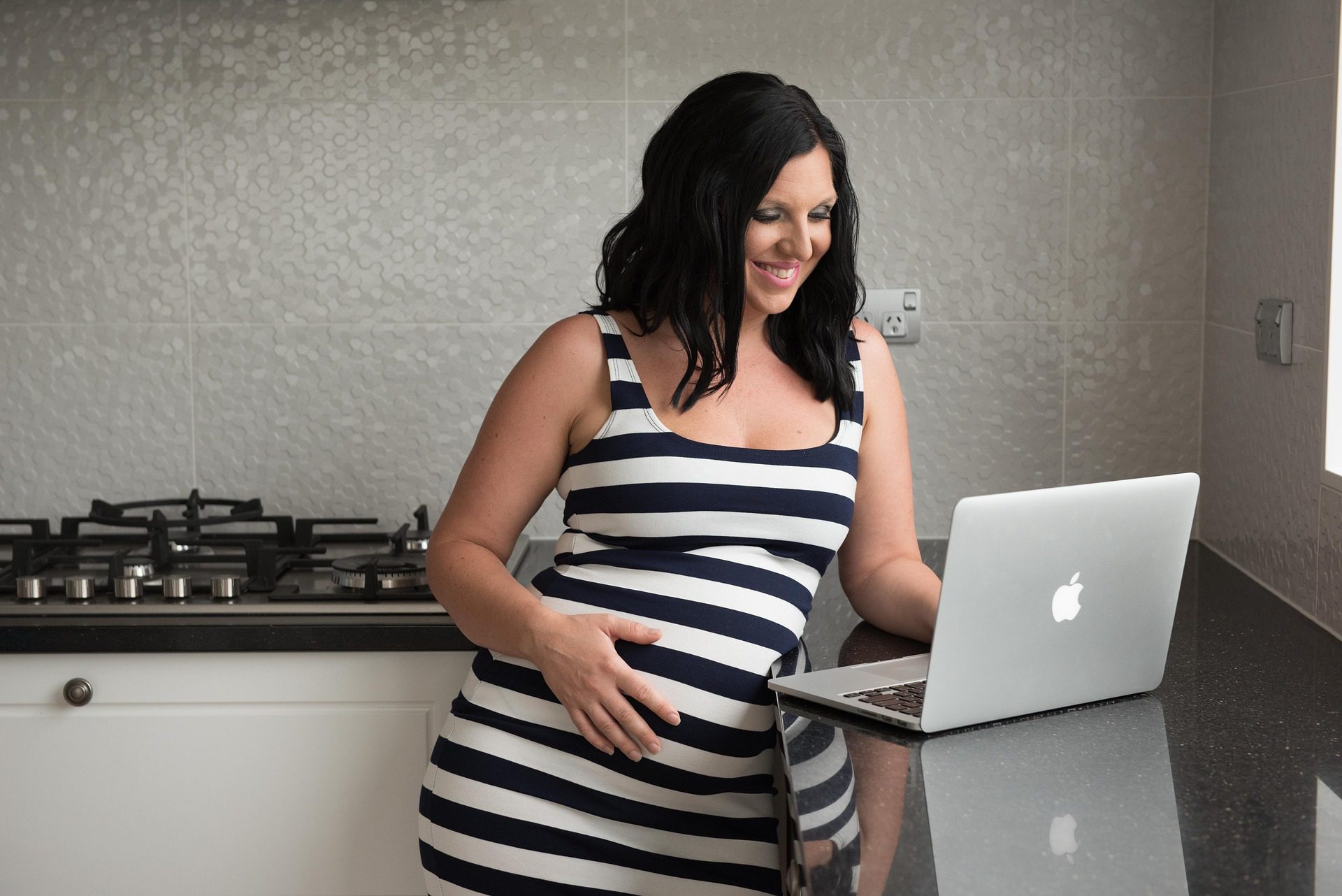
 Being pregnant in the workplace under normal circumstances can be challenging, but telling coworkers about your surrogacy can also be stressful. It is not easy to hide your growing belly. While conversations involving your pregnancy may seem overwhelming, you can decide when and how to explain your situation.
 At Shared Conception, we know the holidays can be extra rough when you are trying to start your own family. Every holiday commercial shows happy families celebrating, and that can be especially hard to watch.
 With Christmas and New Years’ Eve approaching, there will be a lot of party invites from friends, family, and even work. Holidays always pose a challenge when you are a surrogate mother having a baby for excited Intended Parents. Here are a few minor adjustments you can make before attending holiday parties that will help you and the baby.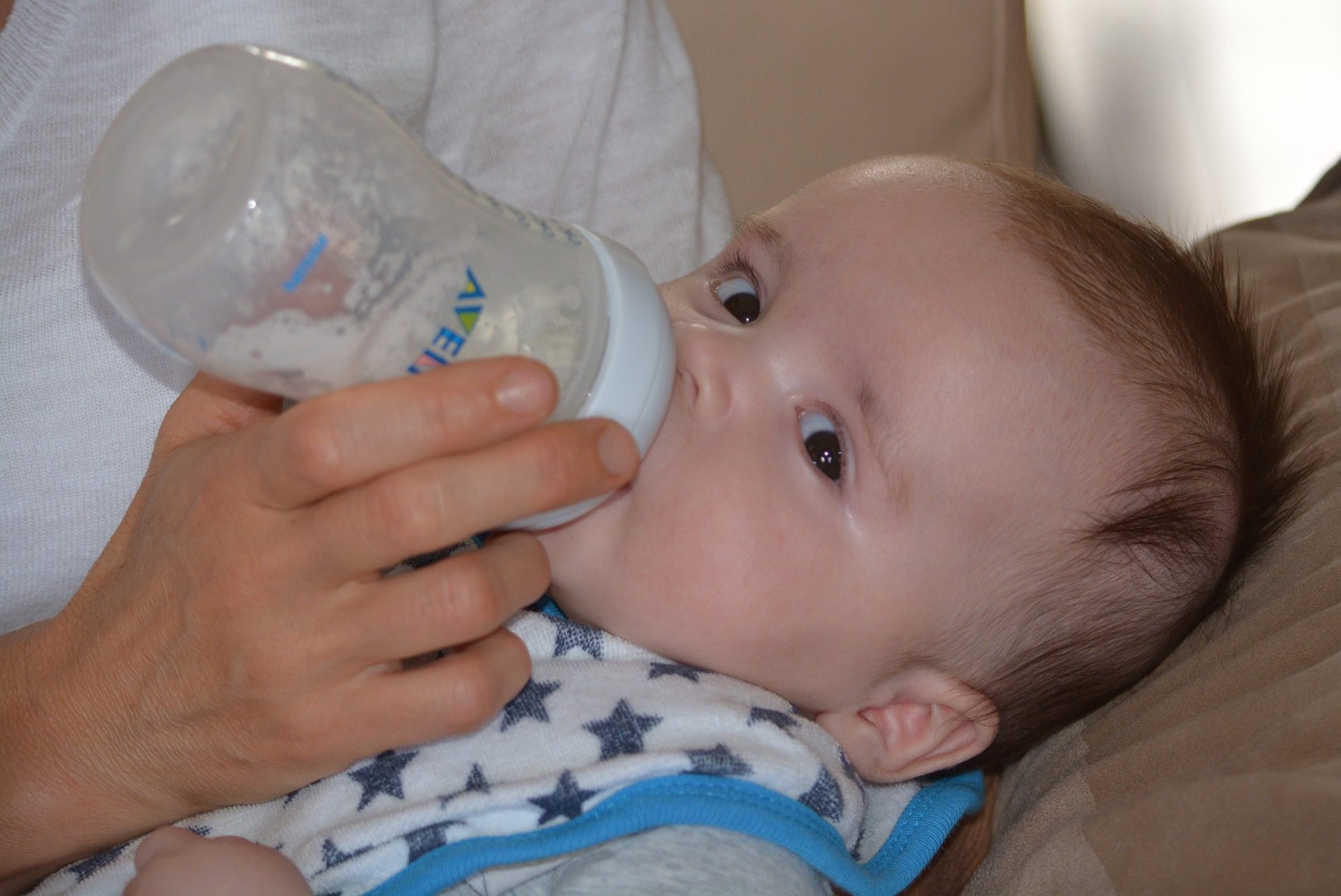
 Following a successful surrogate pregnancy, the surrogate may pump and provide the Intended Parents with breast milk for the baby. Breast milk can be used to supplement baby formula or may as the baby’s primary diet. Many families wonder if breast milk is necessary or if formula is sufficient. Whether you choose formula, breast milk, a combination of the two, or induced lactation – the answer is whatever is ‘fed is best,’ and what is right for your surrogate, your baby, and your family may not be right for everyone.
 The holidays can be stressful for anyone, but for surrogates, it can be a particularly busy and overwhelming time of year. Not only are they often taking care of their own family, but they are taking care of a growing baby for the intended parents. As the Intended Parents, you may be wondering how to handle the upcoming excitement of the season, the excitement of your soon-to-arrive baby, and how to make things a little easier for your surrogate.
 If you are considering surrogacy, it is crucial to have a contract between yourself (the intended parents) and the surrogate. Even when both parties are agreeable, it’s a smart choice to have a contract so there are no misunderstandings about the expectations from both sides.
 Some states require a post-birth order, but Texas is considered a surrogate-friendly state. Therefore, a pre-birth order may be granted and thereby validated so long as the gestational carrier agreement is found by a Texas Court to be in compliance with the statutory requirements of Texas surrogacy law. The statute only refers to married Intended Parents, so obtaining pre-birth parentage orders for unmarried Intended Parents is more complicated and should be discussed with a surrogacy attorney. It’s also important to note that a pre-birth order can be granted regardless of whether the intended parents have a genetic connection to the child.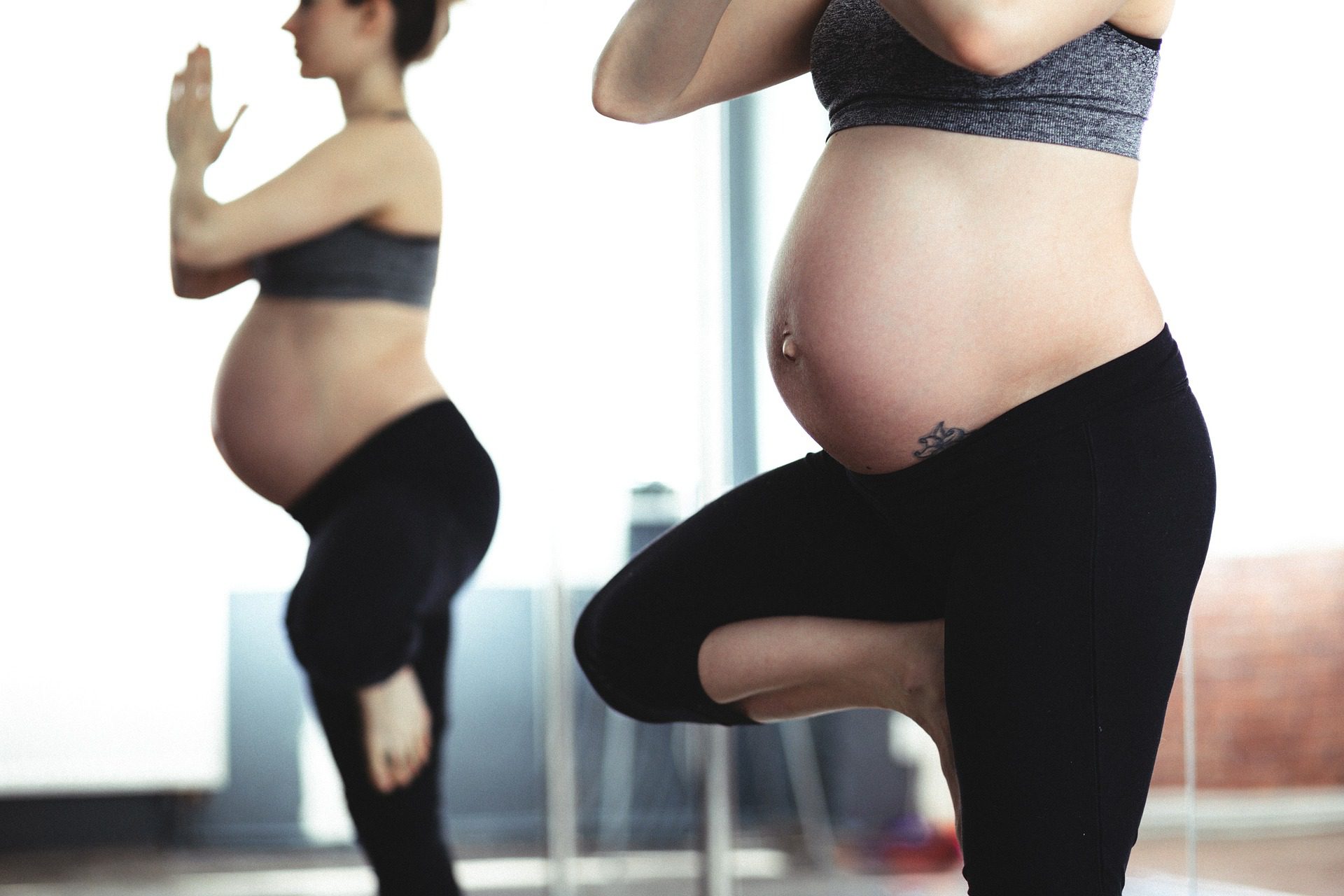
 You’ve begun the surrogacy journey, and if you enjoy working out, you may be wondering how that will still be possible. Continuing physical activity during your pregnancy is not only safe but healthy. Exercise can help prevent headaches, stress and depression, tiredness, pelvic pain, constipation, cramps, and swollen feet.