
Many surrogates will tell you that with prior knowledge of their IVF schedule, they tend to change their diet for the better, before the embryo transfer. There is no list of foods that guarantee a healthy baby or a successful transfer, but there are foods rich in nutrients that will help. The healthy diet for a surrogate trying to get pregnant, is not much different than a healthy diet for someone who is trying to maintain a healthy lifestyle. There is just more emphasis on key nutrients for her and baby.
Choose foods that are high in protein such as:
Fish
Poultry
Lean meats
Beans and lentils
Nut butters (such as peanut, almond, or cashew butter)Seeds and nuts
Whole-grain products
Low-fat dairy productsAlso, look for foods rich in folates and folic acid such as:
Lentils
Oatmeal
Pinto and navy beans
Asparagus
Spinach
Orange juiceIf you have a sweet tooth there are healthy alternatives to consider:
Frozen bananas
Fruit smoothies
Naturally sweetened, nonfat frozen or regular yogurt
Low-fat, naturally sweetened sorbet
Fresh fruit
Here are some things to avoid:
Artificial Sweeteners
Caffeine – If you can’t live without caffeine, there is research to consider on caffeine and fertility. According to the National Institute of Health, ingesting 300 milligrams of caffeine a day, decreased a woman’s chances of conceiving by as much as 27 percent compared to ingesting no caffeine.
Some alternatives to your morning pick me up:
Decaf coffee or tea (not herbal, unless cleared by your doctor).Naturally sweetened lemonade or fruit juice
Filtered water steeped with cucumber slices
Fresh squeezed or pressed vegetable juices
Try to limit desserts and food items made with refined sugars because excess sugar in the bloodstream can lower the body’s ability to manufacture the necessary
hormones for reproduction. If you’re craving a dessert, it is easy to find healthy dessert recipes online.Shared Conception looks forward to working
with you as a surrogate, call us today!

The Surrogate Embryo Transfer Prodecure
The embryo transfer procedure is usually one of the first questions intended parents and surrogates ask about, when beginning their surrogacy journey with us. Shared Conception is here to answer those questions and take you through the actual procedure.
After the eggs are taken from the intended mother or egg donor, they are examined, sometimes tested and mixed with the intended father or donor sperm. They are then incubated for 3 – 5 days to allow fertilization to occur.
The gestational carrier, or surrogate, intended parents and the reproductive doctor, then consult to determine the number of embryos to transfer. Afterwards, the embryos are placed in the surrogate's uterus via in-vitro fertilization.
The embryo transfer procedure takes place in a fertility clinic or nearby hospital. The process does not cause discomfort and requires no medication or anesthesia. The transfer is performed through the vagina using a catheter inserted through the cervix so the embryos could be inserted into the uterus. The process usually takes approximately 10-15 minutes, and then the surrogate is required to remain at the clinic for at least 1-2 hours after the completion of the transfer procedure to rest. Surrogates are also asked to restrict their activities or to be on bedrest, for 2-3 days following the transfer procedure.
Shared Conception suggests surrogates have an adult companion accompany them to the embryo transfer procedure and stay with them until the clinic staff releases them.
We hope this breakdown of the embryo transfer procedure takes away some of the "mystery" associated with embryo transfers. Shared Conception welcomes the opportunity to talk with you if you are thinking about becoming a surrogate. Contact us soon!
Surrogacy & Religion
There are several alternatives in starting a family when you find yourself unable to naturally conceive. Adoption has become a socially acceptable option. But, there are many, who wish to have a biological connection with their child who turn to surrogacy.
Even though surrogacy has mainstreamed over the years, there are still a number of religious organizations that do not accept it. This can seem surprising, but the use of surrogate mothers, is a thousand-year old process. It is even in the writings of the Bible through the story of Abraham and his wife Sarah. According to history, friends and family oftentimes shamed a childless woman. To solve this problem, these women had their servants act as “surrogates.”
While ethical and moral issues are important to follow and abide by, judging anyone on the very personal decisions of choosing surrogacy or becoming a surrogate, is impossible to do unless you walk a mile in their shoes. And, unless you have experienced the emotions, it is difficult to get a feel for how truly devastating their situation is.
All this said, the women who act as surrogate mothers, are providing a truly needed service and giving people a chance to have a child of their very own. Shared Conception anticipates helping you make your dreams of enhancing and expanding your family. Connect with us!

Common Myths about Surrogacy
There are many assumptions about surrogates and surrogacy that are completely incorrect. This is often due to the lack of knowledge and education about the process. Surrogacy is actually an intricate process that involves many parties. Lawyers, doctors, psychologists and surrogacy agencies, all have a role in creating a perfect match of Intended Parents and Gestational Carrier. Surprisingly, demands for surrogates are high. There are many other countries where surrogacy is illegal, which brings many international couples to the United States in search of a surrogate mother.
One of the most common misconceptions is that the surrogate mother would be genetically related to the child. A gestational carrier has an embryo, created by the intended mother (or egg donor) and intended father’s sperm (or donor sperm), placed in her uterus. The embryo has no genetic link to the gestational carrier. The surrogate provides a safe, warm and nutritious space for the embryo to thrive.
Getting attached is usually a popular first question when discussing surrogacy. For any mother, the idea alone of parting with their newborn is devastating. For a gestational carrier, it is expected. It is the end of a journey. Only a surrogate can understand the joy of seeing a couple that has tried so hard to start their family, finally be able hold their baby in their arms.
Unfortunately, many hopeful parents are led to believe that surrogacy is unaffordable. It’s not inexpensive but many families have grown their family via surrogacy. Shared Conception is open to talking about finances and helping you make your dreams of a family, a reality.
Surrogacy is slowly becoming more accepted into today’s society. Shared Conception is dedicated to walking you through this process and achieving your goal of creating or expanding your family. Contact us with any questions; we will be happy to speak with you.
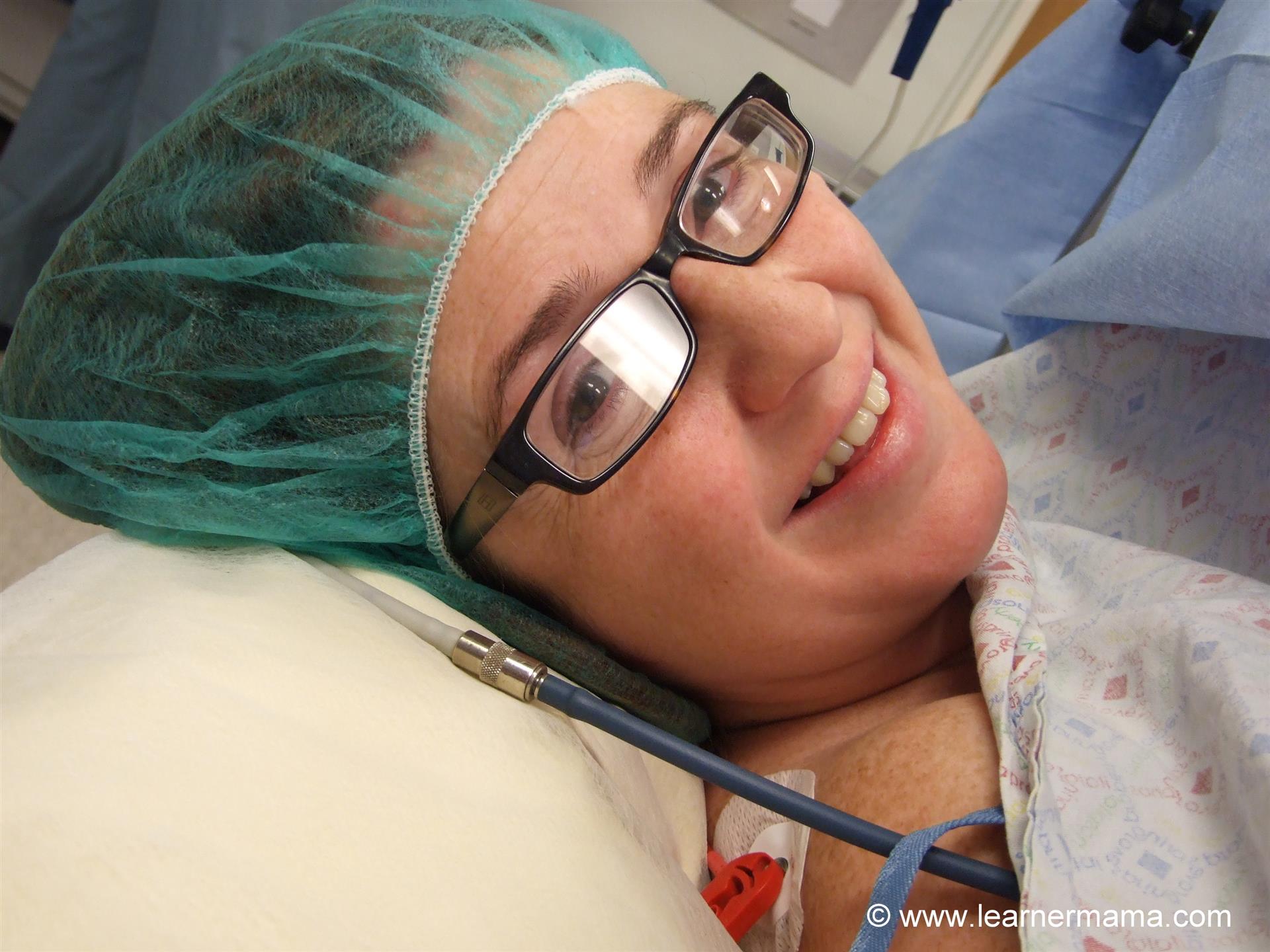
Tips to Help Prepare for a Surrogacy C-section Delivery
Looking forward to the birth process? Most surrogates choose to become surrogates because they have had such a wonderful experience with pregnancy and birth. But, in case the big day doesn’t go the way you and your Intended Parents have planned, or if you already know you will be having a cesarean, here are some tips for pre and post cesarean surgery.
After a cesarean, you are likely to be in the hospital for 3 -5 days. You should bring a picture ID, insurance card and a copy of your pre-birth order. Also, pack a few personal items such as: toothbrush and toothpaste, hairbrush and hair bands, deodorant, chap stick, face wash and moisturizer. The hospital typically provides shampoo, soap and lotion, but pack some if you prefer your own. If you wear contacts, bring your eyeglasses; it may be more comfortable throughout your hospital stay.
As far as packing is concerned, a bathrobe, nightgown, slippers and a comfortable pair of socks may be the most comfortable for you. For pants and underpants, make sure the waistband is loose enough so it doesn’t press on your incision. Pack a good bra or two in your bag. A comfortable nursing bra, whether you breastfeed, pump, or do not do either, will provide some comfort and support when your milk comes in.
The first few days after a c-section are delicate days. Laughing may hurt, but moving will actually do you some good. You will feel better when you are upright and improve circulation to prevent blood clots, which can be dangerous. And as unappealing as hospital food may seem, try to eat as soon as you get permission from your doctor. Eating will aid in recovery and give you the energy you need to heal. And what comes hand in hand with eating? Drinking! Stay hydrated! Hydration will help with that very important and sometimes uncomfortable first bowel movement.
Make sure you take it easy. Keep your scar clean and wear loose fitting clothes. Make sure you check your incision for infection. Have your doctor look at your scar if it becomes tender, swollen, or if liquid is seeping from the incision.
Sources: The Mayo Clinic Guide to a Healthy Pregnancy; The American College of Obstetricians and Gynecologists educational pamphlet Cesarean Birth
Gifts for you Labor & Delivery Nurse
Labor and delivery nurses work tirelessly to keep you at the most comfortable you can be during your delivery. They are constantly by your side with unparalleled expertise and experience. Compassion is their greatest asset and most essential to their patients. If you have been blessed with a stellar labor and delivery nurse, don’t be afraid to thank them!
Most nurses don’t need expensive and lavish gifts. They love snacks, gift cards and other inexpensive items that are thoughtful and can be enjoyed during their long shift. Simple items and things that can be shared with their co-workers such as a tray of cookies, a box of doughnuts, good coffee, a basket of fresh fruit, boxes of chocolates and candies are a great way to say “thank you.” Many times just a simple “thank you” is all that is necessary.
If you are feeling creative and have the time, pinterest has a ton of wonderful DIY ideas for labor and delivery nurses.
Surprising to think about, you spend the majority of your labor with a nurse. Seasoned nurses have seen it all. They take on many of the responsibilities we don’t want to, like kicking out a family member thata’s driving you nuts – without offending anyone! They are truly magical.

Celebrities Who Use Surrogates
Infertility struggles affect celebrities too. As picture perfect as their lives may seem, infertility does not discriminate. Many well-known celebrities have turned to surrogacy as an option to create or expand their family. Some were very public about their struggles and others kept their choices private. Here are five celebrities you may not know, who used gestational carriers.
Robert Deniro. The Oscar winner and his wife welcomed a baby girl via surrogacy in 2011. This was not Deniro’s first surrogacy journey. He has twin 16-year-old sons that were born via surrogacy.
Jimmy Fallon. Although he and his wife kept their surrogacy journey a secret until their daughter’s birth, the late night host has been outspoken about their struggle with infertility and their five-year quest for treatments, before they decided on surrogacy.
Deidre Hall. In the early 90’s, this Days of Our Lives star and her former husband, used a surrogate at two separate times to have their two boys. This was done long before the procedure was as popular as it is today.
Ricky Martin. In 2008 the singer welcomed twin boys into the world via surrogate. Martin was very public about his gratitude towards his surrogate by showing his love and appreciation for all women that decide to become surrogates.
George Lucas. The accomplished director and Star Wars mastermind, had a daughter via surrogacy in 2013. This was his first biological child. The little baby girl joined Lucas’s 3 other adopted children.
Shared Conceptions will treat you like a celebrity throughout your entire journey! Contact us today and let us help you in creating or expanding your family.
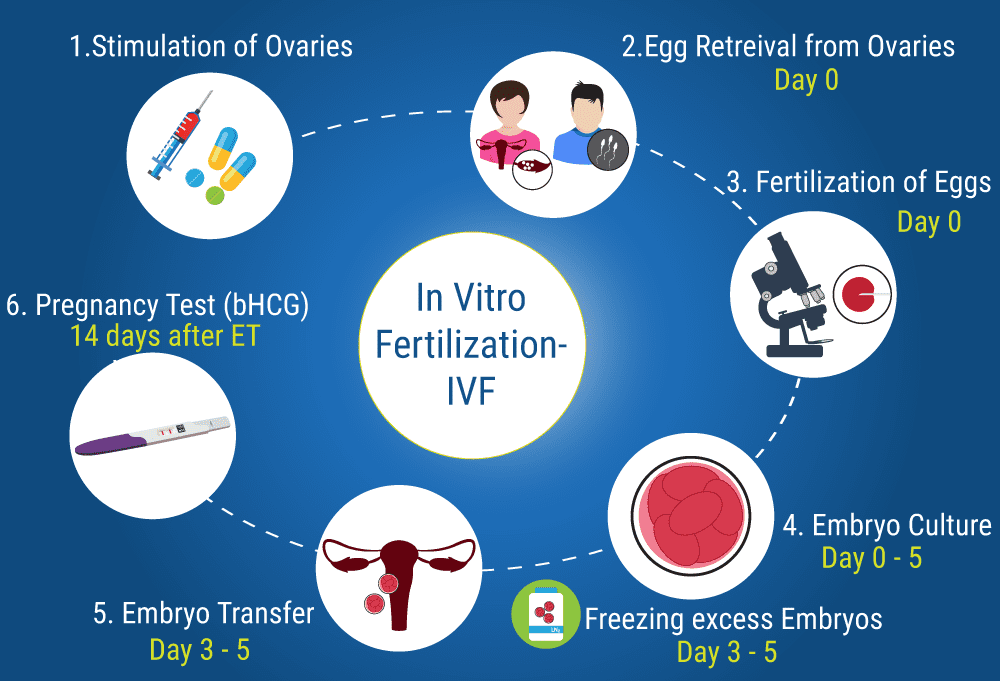
A Quick Overview about IVF
In vitro fertilization (IVF) is used to treat many different problems due to infertility. IVF includes ovarian stimulation, egg retrieval and embryo transfer.
Ovarian Stimulation
To maximize chances of achieving a pregnancy, ovarian stimulation is used to produce many follicles (each containing an egg). During a normal, unstimulated cycle, only a single follicle develops and one egg is ovulated. Growth and development of follicles are monitored very carefully during a stimulated cycle. When the follicles (and eggs) are mature, a hormone known as human chorionic gonadotropin (hCG) is given and egg retrieval is scheduled 34-36 hours later.
Egg Retrieval
Egg retrieval is usually performed under light anesthesia and using ultrasound guidance, but under certain circumstances, may require laparoscopy. The follicular contents are aspirated and handed to a laboratory technologist who then looks for eggs. The eggs are placed in dishes containing culture medium and incubated in a chamber maintained at body temperature. Shortly after the eggs have been retrieved, the male partner produces a semen sample. The semen is processed to isolate the most vigorous sperm to inseminate the eggs.
The day after retrieval and insemination, the eggs are examined for fertilization. Normal fertilization is indicated by the presence of two pronuclei. One pronucleus contains the genetic material from the mother and the other from the father. The fertilized eggs are examined every day until embryo transfer. Embryos can be transferred 2 to 6 days after egg retrieval and may be from the 2- to 4-cell (2-3 days after retrieval) stages of development to blastocyst (5-6 days after retrieval).
Embryo Transfer
Embryo transfer is usually a simple procedure that does not require anesthesia. Embryos are loaded into a catheter (a thin plastic tube) and catheter is gently passed through the cervix into the uterus. Ultrasound is commonly used to confirm that the catheter tip is in the proper position in the uterine cavity. Embryos that have not been transferred can be frozen and stored for use in the future.

7 Questions to Help You Select a Trustworthy Surrogacy Agency
While the implications are much deeper, of course, searching for the right surrogate is like going on a bunch of blind dates. Some of the basic facts have already been figured out, but there is still a bit of a dance that needs to happen to assess whether or not this is really, “The One.”
And, just like a future romantic partner, the feelings need to be mutual. Both parties need to feel like this is a good fit for them. You should have the sense that this woman is the perfect candidate to carry your child and – in the case of a surrogate – that her medical history and genetic materials are a good match as well.
If you’re working with an agency, that agency needs to have a reputable track record and an adequate history of successful surrogate stories so you know you can trust them.
7 Questions to Help You Select a Trustworthy Surrogacy Agency
1. How long have you been in business? Assisted Reproductive Technology (ART) is becoming increasingly popular as the result of improved infertility diagnosis, the number of women waiting to start their families, and the number of LGBTQ+ individuals and couples who want to start families. This has resulted in increased numbers of surrogacy agencies, some of whom get their start via a website and a couple of interested surrogates. Surprisingly, laws are fairly lenient when it comes to running a surrogacy agency. We recommend looking for agencies that have been around for at least 5 years or more. This is a good sign that they have established policies, procedures and legal protocols that have stood the test of time.
2. How many families (clients) has your agency assisted? Similarly, the more the merrier right? A surrogacy agency that has both been in business for roughly five years or more, and has helped a substantial number of clients, is probably doing a good job. These numbers may vary a bit but most successful and established agencies are working with roughly 40 to 50 couples or clients at a time.
3. What kind of screening is provided for your surrogates or gestational carriers? This is such an important process. Being a surrogate or gestational carrier is hard work – mentally, emotionally and – of course – physically. You want to make sure the woman carrying your baby has a clean bill of health and a strong mental health assessment. Your surrogate’s commitment to a healthy lifestyle is essential to the health of your baby. Some of the top surrogacy agencies also screen their surrogates for financial hardship and a criminal background history. This should be a labor of love on their part. While the money is nice, their primary reason for doing this work should be to help an individual or couple in need. If you’re working with a fertility center, odds are screening will happen on that end as well, for further reassurance.
4. Have you ever been sued? Of course, the emotional complexities surrounding surrogacy are many. So, having been sued is not a crime or even a huge red flag. Multiple law suits, however, should cause you to take note. You can also go a step further and inquire whether the surrogates and the families have ever been involved in legal disputes. Again, most of the best agencies will be able to answer, “no and no,” which indicates they have their act together.
5. Do your price quotes match what we’ll actually pay? You know how that goes: the “quote” says one thing and the final bill states another. Your surrogacy agency should provide clients with a very clear and itemized quote, including every single potential cost. The final price should match this – without any hidden fees or surprise charges.
6. Can we use our own lawyer? In most cases, our surrogacy agency, Shared Conception, recommends choosing a lawyer who has experience with the legal ins-and-outs of surrogacy and gestational carrying. This is a specialty niche for sure, and the laws vary from state to state. If you don’t have your own lawyer, the agency should be able to provide a list of referrals.
7. What insurance is used to cover the surrogate? In all cases, surrogates and gestational carriers should be provided with a specific health insurance policy that covers services for surrogacy. This is not always the case, so be wary of any agency who claims to use surrogates or gestational carriers who have health insurance through their own workplace. Not only do these policies rarely cover surrogates, employment is not a guarantee so a surrogate who is laid off, or whose company goes out of business mid-pregnancy, could wind up without health insurance.
Contact our surrogacy agency, Shared Conception, to learn more.

Will Dyeing my Hair, Make-Up or Perfume Impact my IVF Success?
Will Dyeing my Hair, Makeup or Perfume Impact my IVF Success?
The long awaited day has arrived: you and your partner are about to undergo your first round of In Vitro Fertilization (IVF). IVF is the process of fertilization by extracting eggs, retrieving a sperm sample, and then manually combining an egg and sperm in a laboratory dish. The embryo(s) is then transferred to the uterus. All of a sudden, you realize there are a million questions that you forgot to ask your doctor: Is it safe to dye my hair? Can I use makeup and perfume? Will any or all of these affect my chances of IVF success?
IVF and Hair Dye – The Information You Need to Know Before Starting Your First IVF Cycle
The verdict on hair dye varies from clinic to clinic. Some say you can use it throughout your IVF cycle, holding off when you’re waiting to see your positive pregnancy results and then for the rest of your first trimester. Others say to hold off all together.
The more we learn about environmental chemicals and their negative effects on fertility, the more we’re coming to understand that several of the most common ingredients used in hair dye and other cosmetics are endocrine disruptors, meaning they alter your natural hormone levels. Some are able to cross the placenta, introducing toxic chemicals into your uterus.
Since your future conception depends on just the right amount of hormones at just the right time, abstaining from hair dyeing is probably your best bet. If you can’t stand it, dye your hair for the last time no later than the second week of your IVF cycle and then hold out from there.
Can I wear makeup while I’m in the midst of my IVF cycles?
By now, our surrogacy agency, Shared Conception, assumes that you have looked up everything under the sun regarding your body, fertility and the things that can make your body less-than-fertile. As we mentioned above, current research points to more and more environmental factors that seem to play a role in infertility, including chemicals that are used in many of the cosmetics housed in our showers and cabinets. Now is a good time to switch over to more earth-friendly health and beauty products. As a rule of thumb, the fewer ingredients listed on a bottle, the better.
What about perfume?
If you can, try and stay away from scented and fragranced products, including perfume and commercial deodorants, throughout your IVF cycle and even into the first trimester, just to be safe. Fragrance is an ubiquitous term used on beauty and cosmetic product labels – including your perfume – to stand for a hodge-podge of chemicals that create a particular smell. In many cases, there are very few truly "natural” ingredients involved.
If you are someone who loves to wear perfume, we recommend visiting a store that specializes in eco-friendly natural health and beauty care products, made without the use of synthetic chemicals, and talking to them about essential oils. There are plenty of wonderful essential oils that can be used alone or in combination with one another to help you smell and feel better – without the negative side effects. Just a few drops are all you need.
Do keep in mind that some essential oils, such as wormwood, rue, oak moss, Lavandulastoechas, camphor, parsley seed, sage, and hyssop should not be used during pregnancy.
When in Doubt Leave Vanity by The Wayside During IVF Cycles
You’ve worked so hard to get to this point. If you have any doubts at all about a particular product, habit or treatment, why not skip it for the duration of your IVF cycle, until you get the go ahead from your doctor? Once you hold your beautiful, healthy baby in your arms – all of the sacrifices you have made will be well worth it.
Contact our surrogacy agency, Shared Conception, to learn more about IVF or to schedule a consultation.