
12 15 16

Top Ten Things to be Grateful for this Season

This season makes most of us naturally think of giving thanks for everything in our lives. Here at our surrogacy agency, Shared Conception, we truly think that there is much more to be thankful for than we initially assume.

Family

Okay, now we know this is a very popular and cliché answer,  but ask yourself these questions: What does my family do for me? Where would I be without them? Are they supporting your surrogacy or your intended child? It is the unconditional love that exists between the members of a family which makes these relationships so incredible.  Please do not take one moment for granted while you are with your family this holiday season! And also, do not be afraid to express your gratitude to them whether in person, via text, by letter or a quick phone call. It will mean the world to them.

Friendships

These are other relationships that go unnoticed and unappreciated all of the time. When was the last time you said “Thank you!” to your best friend for always texting you back or replying to your Facebook posts? It goes without saying that our friends put up with a lot for us, and they still love us anyways. After all, how many times have you texted or called them regarding your pending surrogacy journey? This season try to thank your friends with a simple note or hug to let them know that you really do care.

A Peaceful Home

We understand that your own home may not be literally  "peaceful" but take a moment to understand how blessed you are to live where you do. Many people across the world are living in areas of poverty, mass destruction, and immoral chaos. Do not take this blessing lightly anymore. Instead, be thankful for every moment, even the most frustrating.

Happiness and Laughter

There is no greater gift than a smile. During this time of year, soak up every laugh and giggle you can. Be thankful for the happiness you are able to share with those around you and share that with the world around you. You never know who needs a smile, and you could definitely brighten someone’s day by flashing those white sparkly teeth their way.

Food and Health

We are assuming that none of you have truly experienced extreme hunger like many children do in other countries. Although you may not like broccoli and squash, be mindful that the food you are given or the food you buy is keeping you strong and healthy. Especially during this holiday season, give extra thanks for the food you eat.

Our surrogacy agency, Shared Conception, is thankful for our industry and we are super thankful for all of you!


12 9 16

Surrogate Profile: Meet Kim

Selfless. Generous. Powerful. Beautiful. Heroic. These words come to mind when you think about gestational carriers aka surrogates. But some surrogates simply believe, “If you’re in a position to help someone, you should.”

That’s what an amazing surrogate, Kim, told us.

“When you have four kids nine months goes by pretty quickly,” says Kim, who is on her second surrogacy journey. This time around she is carrying twins. Sometimes a surrogate will work with the same parent or parents if they would like to have another baby. In this case, she is working with new dads.

Every woman’s path to surrogacy is unique. For Kim, she wanted to make something positive out of her loss. Five years ago when her father died, she went in search of something meaningful. It was around that time she decided to become a surrogate. She was paired with a gay couple on her first journey and helped them build their family. In the process her family grew.

Her kids, one girl and three boys, think of her first baby born through surrogacy like a cousin. They skype. They send photos. They even exchange birthday gifts and Christmas gifts. Their closeness serves as a reminder that we’re more connected to one another than we are divided.

“I feel that family isn’t limited to blood and DNA, it is the people you choose and those who have touched your life,” says Kim.Because of Kim’s nursing degree, she is very aware of all the need in the world. Kim added that she doesn’t work as a nurse, and her husband doesn’t use his degree either. She and her husband would like to make an even greater contribution to the world.

Right now her husband is back in school pursuing a degree to make both of their dreams come true. The plan is to take his agricultural knowledge and open an organic farm. And with Kim’s love of hospitality as a driving force, they would love to parlay their crops into a farm-to-table restaurant. That’s the dream, but she is receptive to what the world may have in store for her.

“I’m still trying to figure out what I want to be when I grow up,” Kim added.

Talking to Kim was a great reminder of something we already know—that surrogates are very special individuals who contribute to their family while helping another.

4 29 16

Why Do You Need to Have a Successful Pregnancy to Become a Surrogate?

One of the requirements for becoming a surrogate is a “successful term pregnancy." What this means is that to be a surrogate you need to have had given birth before. Many women want to help complete another family even if they do not meet this requirement, but we must include it for several reasons.

Deciding to become a surrogate can be a life-changing decision, but it’s important to know the entire process before committing. One of the first things prospective surrogates will look up are the basic surrogate requirements before applying. Some of these are set by the American Society for Reproductive Medicine. ASRM is an organization that ensures ethical standards are upheld through the practice and advancement of reproductive medicines. In order to be approved by this organization, our surrogacy agency, Shared Conception  must uphold their requirements, one of which is that a woman must have had a successful term pregnancy prior to being a surrogate.

While surrogacy is often described as a journey, pregnancy is a journey in itself. Some women find a love for pregnancy, having an easy time adapting to their changing body and having little trouble with delivery. While some meet challenges, battling hormonal differences and dealing with aches and discomfort throughout the process. What it comes down to is that you don’t know what your experience will be like until it happens, and to be a qualified surrogate, we need women who know first-hand what pregnancy, labor, and delivery entails.

Intended parents come to Shared Conception because they want to build their family. Deciding on the path of surrogacy is many times the result of infertility. One in six couples is affected by infertility, and it is equally a women’s issue as well as a men’s issue. We also work with single individuals and same-sex couples who are in need of assisted reproduction to help build their family.

Most times heterosexual couples do not know they’re infertile until they’re trying to get pregnant. After unsuccessful attempts at becoming pregnant, couples may seek medical help where they may discover that they are unable to conceive or unable to bring a child to term.

If a surrogate has never been pregnant or carried a child to term before then she may have limited knowledge of her own fertility. This information is important to intended parents who are ready to emotionally and financially invest in a surrogacy journey.

Overall, these guidelines are put into place to make sure our surrogates can knowingly say they are comfortable with the process and that they are positive of their decision to become a surrogate. Pregnancy history is one of the key factors in evaluating a potential surrogate for both our surrogacy agency and intended parents. While this guideline is set by the ASRM, we believe that it is necessary to be set forth for potential surrogates as it offers valuable information as to if a woman qualifies to be a surrogate. Shared Conception is ready to help you embark on this journey. Give us a call.

11 18 16

The History of Surrogacy: How Surrogacy Has Evolved

To many, surrogacy may seem like a revolutionary idea. While this holds some truth in that the legality and medical advancements are ever-changing, the fact of the matter is that surrogacy has been around for thousands of years. Ever since people have been reproducing, surrogacy has been an alternative, helpful way of doing so.

Traditional surrogacy is a relatively straight forward process, requiring a fertile man and a fertile woman, which made it an effective way of childbearing throughout human history. In fact, the bible cites an ancient instance of traditional surrogacy. Sarah, who was infertile, requested that her handmaiden, Hagar, carry her husband, Abraham’s, child.

While traditional surrogacy has been practiced for ages, gestational surrogacy was developed much more recently. In 1978, the first in vitro fertilization (IVF) baby was born. Just five years later, the first baby from an egg donation was born. The combination of these two innovative technologies resulted in the emergence of gestational surrogacy, which was first performed in 1985 and has grown exponentially in popularity over the past 20 years.

In 1986, surrogacy encountered its first real legal question when a traditional surrogate, upon giving birth to the child, decided that she wanted to keep the child. A two-year-long legal battle between the surrogate and the intended parents eventually resulted in the IPs retaining custody. As surrogacy continued to grow, this landmark case, referred to as the Baby M case, sparked many legal questions surrounding surrogacy in many countries around the world, and today, commercial surrogacy is legal in most U.S. states, and a handful of countries including India, Russia, and Ukraine; however, intended parents from countries where surrogacy is illegal may travel abroad to legally have a child through surrogacy.

Even more recently, several surrogacy records have been reached including in 2011 when the oldest-ever surrogate mother, 61, whose daughter is infertile, carried her grandchild. She was the second grandmother to carry her grandchild in only a few years.

Surrogacy has helped start families for centuries. It has developed from a rarely documented occurrence thousands of years ago, to a rapidly growing and viable option for having children.

To find out more about becoming a parent through surrogacy, or to set up a consultation with our team, visit www.sharedconception.com.

11 4 16

What is Preimplantation Genetic Diagnosis (PGD)?

For many parents pursuing surrogacy and/or egg donation as a family-building method, the term PGD may come up. This reproductive technology is used with an in vitro fertilization (IVF) cycle and can be used to diagnose genetic disease in early embryos prior to the implantation in your surrogate mother. You may have also heard of the term preimplantation genetic screening (PGS), which doesn’t look for specific diseases, but uses PGD techniques to identify at-risk embryos. Here we take a look at how the test works to help you determine if it’s right for you.

How does it work?
PGD begins with IVF that includes egg retrieval and fertilization in a lab. Over the next three days, the embryo will divide into eight cells. Then one or two cells are removed from the embryo. The cells are then evaluated to determine if the inheritance of a problematic gene is present in the embryo. Once the procedure has been performed and embryos free of genetic problems have been identified, the embryo is implanted in the surrogate’s uterus in hopes of a successful pregnancy.

What are the benefits of PGD?
The reason intended parents (IPs) opt for PGD is because it can test for more than 100 different genetic conditions. Since the procedure happens before implantation, it allows IPs to decide if they wish to continue with the surrogate’s pregnancy. It’s important to keep in mind, however, it doesn’t completely eliminate the risk of conceiving a child with a genetic disorder.

If you’re interested in learning more about PGD testing, talk to your IVF doctor. And if you’re part of our surrogacy agency, Shared Conception, we can help you connect you to the right people.

10 28 16

Surrogate Story: From the application to delivery day by Sarah, experienced surrogate mother

Starting out, I didn’t know exactly what to expect— though I could imagine the possible effects. When I first found out I was pregnant with my daughter, it was a complete surprise, and I was initially in shock and did not know what to feel or think about being pregnant. I was only 19 after all and had no plans of getting pregnant for at least a few years. After a few days, I let that news sink in and ended up embracing the news. I remember for the majority of my pregnancy being very excited and happy. I just loved it. And from time to time (after the birth) I would actually miss being pregnant (but with no desire to start over with a newborn no matter how adorable they are, lol).

I thought long and hard and discussed at length the decision to go on a surrogacy journey. Not to mention all the surrogacy blogs I read of other surrogates, each one unique in its own way. Emotions are rather unpredictable, especially when combined with a woman’s hormones. And I could not say with 100% certainty that I would come out of it ‘unscathed,’ but my husband fully supported my decision and shared my opinion that I would have the right mindset. So I decided to start with the application with my selected surrogacy agency…and see if or how far it would take me. And I am so glad I did 🙂

There was definitely a lot of frustration after going through two failed transfer attempts and three cycles—those shots aren’t exactly fun! And after feeling like I had so much trouble getting a successful transfer, I worried through most of the first trimester that the baby wouldn’t stay. I think I started really feeling confident in the pregnancy after I started feeling the first flutters of movement from baby around 17-18 weeks. My favorite part, albeit the least comfortable, is the last 2 to 3 months when you really start showing. The overall pregnancy was a good experience though different from what I had anticipated.

I realize now that a part of the kind of excitement and happiness I felt with my daughter came from preparing and planning for the baby, which is something I did not need to do in a surrogacy journey. So when that ‘nesting’ period came instead of running around preparing and arranging baby stuff, I was running around scrubbing appliances inside and out and washing down walls and doors and reorganizing closets, lol. Instead the excitement and happiness I felt was different because it wasn’t for me, but for an awesomely wonderful intended couple that had started this journey long before I stepped in.

When my water broke on a Monday morning, I knew it wouldn’t be long (though I didn’t know it would be 21 hours later-lol) that I would be laying my eyes on the child I had carried for the past 38 weeks and I wasn’t sure what or if any kind of emotion would hit me. But when I first laid eyes on her I felt nothing except the relief that pushing was over. They cut the cord, wiped her up a little bit and then I was asked if I would like to hold her. I didn’t feel the need to and wondered if I should…but decided I would. Taking her in my arms, I felt nothing but a big sense of pride wash over me, she was beautiful or as her father said when I first walked into their room as he was holding her, “She’s perfect.” I wish the parents could have made it there in time for the birth, but all that matters is that they were able to make it. I never once felt like she was mine or that she was being taken away from me. I am fully confident that my intended parents will be wonderful parents. I got a kick out of watching them with her because they acted just like new parents. I remember my first week with my baby, Chloe…she broke me in. And so Hannah will break them in, lol.

The one month pictures were just beautiful, I loved seeing how much she had grown and how healthy she looked. The parents have made it all the way home now and have had a couple of pictures on Facebook of them holding/feeding her. They make a beautiful family 🙂

Assuming everything goes well with my postpartum checkup, and I can’t imagine why it wouldn’t as I am feeling almost 100% right now (I think it helps that I didn’t tear, thank goodness!), I can totally see me going on another journey.  I can only imagine how wonderful it must feel to see new families created every day but it really is a wonderful thing surrogacy agencies are doing for these intended couples. And I am thankful to have been a small part of it.

10 21 16

6 Ways to Relieve Pregnancy Back Pain

Be it day one or the second trimester, pregnancy often yields a bit of discomfort. And the central point of that discomfort is usually the back. For many surrogates (and expectant mothers everywhere), finding relief can sometimes feel impossible.

If you are experiencing back pain during your surrogate pregnancy, try using ice, heat, or massage to relieve symptoms. Beyond that, check out the following methods to find relief. (As always, consult with your healthcare provider before beginning any new exercise program during pregnancy.)

1. Strengthen your back muscles from the get-go. The best place to start is at the beginning. Keeping those muscles strong and lean from the start of your pregnancy means more support and less pain. Who doesn’t want that?

2. Practice good posture. Stand up straight and tall with your chest high and shoulders back and relaxed. Don’t lock your knees. As the baby grows, your center of gravity naturally shifts forward. This means that you’re likely leaning backward in an effort not to fall forward. This strains the muscles in the lower back and leads to pain. To be mindful of your posture, try the following:

Stand up straight and tall

Hold your chest high

Keep your shoulders back and relaxed

Don’t lock your knees

3. Choose alternative care. Pre-natal chiropractic care during pregnancy is a safe and effect way to not only get relief but to help before, during, and after the birthing process. Acupuncture is also a wonderful option for back pain and even morning sickness.

4. Try different yoga poses and proper stretching.

5. Foam roll your lower back. Foam rolling, pregnant or not, can offer a ton of relief.

6. Wear a supportive bra and supportive shoes. Doing so can relieve some of the back discomfort by keeping the spine more neutral and providing a good base of support, respectively.

And those times you’re really feeling the throb, just think about the bigger picture. You’re helping bring life into the world for a family that is grateful beyond words! Our surrogacy agency, Shared Conception, is happy to help with all aspects related to a surrogacy pregnancy. Give us a call.

Budgeting during the Holiday Season-yes, it can be done!

It's hard to believe but the holidays are almost upon us! Alas, for many of us, there are a few not-so-joyous holiday sights (our purses crammed with credit card receipts) and the sounds (cha-ching!) of cash registers ringing up our many purchases. It can be even more challenging when financing the surrogacy process as the Intended Parent or carrying the baby as a surrogate in the midst of the holiday season. Then, it's even more important to forego those gift-giving obligations that sometimes, causes unnecessary financial stress.

The following tips will help keep your holiday spending in check.

1)Find an alternative to gift-giving during the holidays. Instead of exchanging gifts, your family members might want to pool their money and spend it on a holiday outing. As a surrogate, a fun, unique outing will be refreshing and invigorating for your family as you've been somewhat preoccupied with the surrogate pregnancy. As an Intended Parent, cut your holiday spending and emotionally and financially savor and anticipate your soon-to-be baby.

2)If you must buy gifts, cut your expenses elsewhere as necessary. It doesn’t matter where you make cuts, just that you make them. Keeping your spending under control while you’re out there shopping can be a challenge, but keep repeating to yourself the importance of not over-spending. As an Intended Parent going through the surrogacy process, keep thinking about splurging on your highly-anticipated sweet baby! 

3)Set a budget and keep tabs on what you are spending. While you’re doing your holiday shopping, your new best friends should be your checkbook register, credit card statements, and all of your receipts. When you start to add up everything you’re spending, you may be shocked at what all those expenses total. 

As you go through the surrogacy process, it's even more important to watch those gift receipts as you responsibly prepare for a newborn. By keeping your spending under control, you can have a great holiday and avoid the sick feeling in the pit of your stomach that occurs when you start getting those credit card bills in the mail. If you prepare properly, you can achieve a happy balance of spending and saving during the holiday season. That’s a great gift in and of itself, for both you and the people you love.

10 7 16

4 Ways to Be a Great Surrogate Mother

Surrogate mother, “What makes a great surrogate mother?”

We often get this question from surrogates (and intended parents). There's simply no clear cut answer. However, there are several qualities and factors that play into a successful journey as a surrogate mother.

Beyond meeting the requirements and passing screening, a strong surrogate should have a love of pregnancy, an understanding of the time and commitment involved, and an overall sense of compassion. Want to know more? Here are additional things to consider to enhance your time as a surrogate.

1. Be consistent with communication. As Shared Conception is a relationship-based agency, it is important you remain available to your intended parents. We encourage communication at least once a week between surrogates and intended parents. Have fun with it, too! You’re getting to know people who often become extended family.

2. Share your story with others. Becoming an advocate for surrogacy and showcasing your support for the process is one of the best things a surrogate can do. While the acceptance of surrogacy has grown tremendously, there are some people who still feel it’s wrong. And it’s usually because of inexperience with it or an unawareness of the process. With surrogate mothers sharing their experiences, more and more people can open their minds to the wonderful thing it is.

3. Use your support system. Whether you are married, partnered, dating, or single, having a primary support person is a requirement for all surrogates in our program. Beyond the physical demands of a pregnancy, you’re going to have emotional ones. This person should be able to assist with child care, housekeeping, and hormonal injections during the IVF process, and emotional support during your journey. Your support person will play an integral role in helping to make this journey a positive experience for you.

4. Be open-minded and understanding. Surrogacy is a human experience. No one can control how and when an individual will respond to medications; whether or not travel plans will need to be changed at the last minute; or whether, despite seemingly ideal conditions, a pregnancy will be achieved on a given transfer. These elements are often out of your control, which is why our surrogacy agency asks surrogates (and intended parents) to focus efforts on managing expectations throughout the process.

Shared Conception hopes these pointers offer a path to a more fulfilling surrogacy for you and your intended parents!

9 30 16

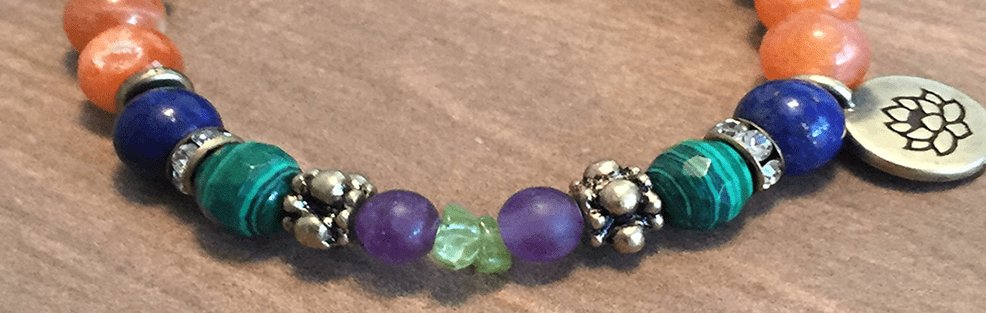
Gems, Stones and Crystals for Increasing Fertility

Which gems, stones and crystals are said to best help boost fertility? Our list of fertility stones includes each gemstone's healing properties. 

Moonstone  is a great gemstone for fertility. It has a reflective and  calming energy by balancing emotions due to stress and anxiety. It is said to have the power to grant wishes.  Moonstone is often used for fertility and infertility as it is said to regulate a woman’s menstrual cycle and boost female energy. Moonstone is a love stone, and is said to draw love to its wearer. It can help  solve problems between lovers. If it is worn during sexual intercourse, it not only can make the woman very fertile, it is said to help impregnate her too. 

Rose Quartz is said to aid increasing overall fertility. It is also helpful with headaches, migraines, sexual dysfunction,  depression, addictions, ear aches and weight loss. Rose quartz is helpful and protective during pregnancy and with childbirth. Emotionally, Rose Quartz brings forgiveness, compassion, as well as balancing one's emotions. It helps with healing emotional wounds and traumas. Rose Quartz removes fears, resentments and anger.  

Aventurine is used to encourage pregnancy and enhance fertility. It is considered the stone of love, which can boost all feelings and emotions, and also promote optimism and self-confidence. It is also believed that this stone can help to win over the heart of the loved one. It is also used to promote friendships, happiness and increasing luck.  

Pearls symbolize tears, provide love and fertility. They offer protection from negative energy and events.  

Red Carnelian is said to boost fertility, energy, promote sexuality and planned reproduction. Red Carnelian also stimulates and balances the uterus, ovaries, fallopian tubes, cervix and vagina. It alleviates PMS and balances reproductive hormones and helps guard against miscarriage. The stone is also used for Arthritis, Cancer, reducing cramps, stress and depression.

Aquamarine is highly protective during pregnancy, it helps to guard both mother and baby from harm.  It also discourages miscarriage. 

Fluorite is key for assisting to stabilize hormonal changes such as PMS, PCOS and menopause. 

Black Coral is one of the most widely recommended gemstones for boosting male fertility. It is said to be an emotional healer, brings peace, stimulates intuition, enhance virility and fertility as well as relieve stress. Black coral also increases creativity.

Ruby Zoiste  (also known as Anyolite) promotes fertility as it supports the reproductive process on all levels, from conception, birth to growth and development. It stimulates the root chakra to increase vitality and enthusiasm for life.

Smoky Quartz increases fertility, balances sexual energy and helps to alleviate depression for both men and women. Smoky Quartz is good for people with radiation-related illness or those in chemotherapy. Smoky Quartz has positive effect on sexual organs, therefore it is good for Myoma and Menopause. For men it is excellent for inflammation of the Prostate Gland.

Turquoise is not only December's birthstone, it is a gemstone that provides protection, grounding, strength, courage, love and luck.Turquoise is also a token of friendship. Perhaps it's strongest ability is for alleviating negativity. Many Indian tribes associate Turquoise with fertility.

Unakite is said to cleanse and balance. It is associated with fertility and has been used as a fertility aid. Unakite is also recommended for a healthy pregnancy and delivery. Many doulas will not deliver a child without the presence of Unakite.

Shared Conception hopes this information will, as always, keep you informed as well as help you choose unique stones and gems. Any gem store or several websites such injewels.net can custom create a piece for you using any combination of these stones. Our surrogacy agency, Shared Conception, would love hearing more about your stones and gem selections. Let us hear from you!