9 23 16

Gift Ideas for Surrogates

When adding to your family, surrogates become an important part of the equation. How do you even begin to show your gratitude to these women who have given you such a profound gift?

Treat your surrogate with these gifts; a small “thank you” for the gift they have given you.

Personalized Necklace
A custom piece of jewelry could be a lovely present for a surrogate.  You can even have the surrogate's name on the necklace.

Night Out
Pick a restaurant she would like, hire a sitter if they have kids, and treat your surrogate to a well-deserved night out. This gift will always be a winner!

Pregnancy Journal
A pregnancy journal is a wonderful way to document the journey from matching to birth and is a wonderful surrogacy keepsake.

Yummy Tea for Tough Mornings
Delicious and soothing teas will mean a lot to these amazing surrogates. You can purchase  individual teas or cute gift bundles that come with a tote bag-perfect for surrogates!

A Day at the Spa
Pamper your surrogate with a day of rest and relaxation at a local spa. For a more modest gift, treat her to cute bag filled with products to transform her home into a spa. Fill it with nail polish, body lotions and scrubs and even her favorite magazines or books.

Don’t forget her family!
A truly touching show of thanks would be to include her children in the holiday gift giving. This really shows that the intended parents care about her and the people they love.

A Photo Shoot
Involve your surrogate in a pregnancy photoshoot, it is something that you both will treasure. It is also a great photo to show your child when he or she gets older, if you so choose.

Pamper Basket 
Gather fun magazines, soothing lotions and candles, chocolates, and maybe even some gift cards for a pamper basket for a much needed pick-me-up.

Now that you have your gifts for your surrogate, enjoy the exciting moments after she receives  the gift(s)! Our surrogacy agency, Shared Conception, looks forward to helping you further build and enhance your family in the near future. Give us a call.


9 16 16

Surrogacy Law: State to State Distinctions

In the United States, the law that applies to surrogacy arrangements is controlled by the individual states.  Some states regulate surrogacy, some states forbid surrogacy entirely, and some states have little to no body of surrogacy law. 

In surrogacy arrangements, the most important law comes from the state where the surrogate lives and delivers the child.  For example, New Jersey’s position on surrogacy requires a second-parent adoption process to secure parental rights if a surrogate carries your child there. Other states allow a much simpler process for securing parental rights.

Texas, the home of our surrogacy agency, Shared Conception, is a surrogacy friendly state.
Texas is one of the few states in the USA to recognize and enforce gestational agreements. In 2003, Governor Rick Perry signed House Bill 729 into law, which amended the Texas Family Code and authorized surrogacy agreements between a gestational mother and intended parents.

The intent of HB 729 is to  simplify the process for intended parents to become the only legal parents and for the gestational carrier to relinquish all rights pertaining to the child. Once the contract for gestational surrogacy is approved, it  immediately triggers a judicial order requiring that only the intended parents be listed on the child’s birth certificate after the child is born. 

International surrogacy arrangements add another piece to the puzzle-we suggest that intended parents consult with an attorney in their specific country to ensure that they abide by all the laws of that country and know what to do to get citizenship for their baby once they go back home. 

Before embarking on your surrogacy journey,  seek advice from reputable family law firms and surrogacy agencies, such as Shared Conception.  Surrogacy and gestational agreements shouldn’t be taken lightly due to the emotional and financial stakes involved. Our surrogacy agency, Shared Conception, have helped parents near and far. Call us to talk about your potential surrogacy process.  We can help you.

Great Gift Ideas for Intended Parents

Going the extra mile for your intended parents may form a lasting bond between you. A healthy baby, of course, is the best gift you can give them – but if you want to be extra-nice, personal gifts can go a long way. They need not be expensive; in fact, our surrogacy agency team thinks it's better for them to be more personal and symbolic.

To help you get started, here are some suggestions:

1. A photo journal of yourself during your pregnancy is an inexpensive gift that would definitely make a good keepsake for the intended parents. Be sure to write little notes along with each picture – “My third week and craving for fruits”, for instance.

Ultrasound images of the baby also make fantastic photos for the intended parents.

2. Home-made videos are another great gift suggestion. All you need is a good camera and some video editing software – the software is readily available for free on the internet, and allows you to personalize the videos.

Many doctors’ offices can give you ultrasounds of the baby, which you could also include in your video.

3. Baby products. These are inexpensive and not particularly sentimental, but very practical – the intended parents are going to need them! Things like diapers, baby powder, wipes and soaps – one way to present them would be in a gift basket.

4. Baby books. Especially for first-time intended parents, these can come in very handy. Having had your own children, perhaps you can give them something that has helped with previous pregnancies.

There’s also the option of giving something they could read to their baby – possibly a book that explains surrogacy to the child!

5. Relaxing candles/aromatherapy. Remember that taking care of a baby isn’t easy, and – as you know from your own experience – the parents do need to unwind every so-often. Gifts like this can come in very handy to assist with that.

Think less about the cost of the gift, and more about what the intended parents would need or treasure – some very thoughtful gifts can be very inexpensive.

The important thing to remember when giving to your intended parents is, ‘what would mean the most to them?’ And by going the extra mile in this way, you have certainly lighted up their lives in more ways than one! Need suggestions? Have suggestions? Connect with us and we can partner up in further enhancing your surrogacy journey with a priceless gift or two!

9 1 16

Talking about Surrogacy: Advice for Gestational Carriers

“When are you due?”
“Not for another two months.”
“Have you picked out a name?”
“Not yet. The parents have a few in mind, though.”

Although you’re excited and confident about your decision to become a surrogate, some people, such as neighbors, community members, and/or acquaintances, may not feel the same way or may have a lot of questions.

If you’re faced with resistance or judgment, which often stems from misconceptions or a lack of knowledge, take a deep breath. Equipped with the following pointers from our surrogacy agency, Shared Conception, you can gracefully discuss your choice to become a surrogate with anyone—even those who don’t understand.

Be confident. When you’re passionate and confident about your decisions, more often than not, people become more interested. Let others know that you’ve fully researched the topic and are confident about helping to create life for a couple or an individual.

Offer information. When discussing your surrogacy with others, it may be beneficial to provide information about the topic. Prejudice stems from people judging before they know all the facts. It’s not your responsibility to change someone’s opinion on your decision. But you can be a source of knowledge for those who are willing to listen and learn.

Accept that others may simply disagree. And hey, that’s okay. Not to sound corny, but differences in opinion make life interesting, sparking debates and conversations. The key is to be respectful.

Lower your defenses. You want those involved in your conversation to actively listen so they digest your points. Being defensive only makes the feat harder. It’s easier to get through to someone when you’re guard is down; they see that it’s safe to engage.

Topics to avoid during conversations about surrogacy.

· Religion: Religion is a touchy topic for most people. It’s also a point of controversy when it comes to surrogacy. Your best bet is to avoid the topic altogether. If someone continually brings it up, let him/her know you’re uncomfortable with the subject. If they don’t respect your wishes, remove yourself from the situation. Chances are that people who don’t respect your wishes aren’t going to be open or engaging in conversation.

· Money: Finances are personal regardless of the context. Moreover, some may argue that it’s unethical to pay money for such a process. While they do get paid, surrogates are also being compensated for their time and dedication. And many women become surrogates because of altruistic or personal reasons, not just financial gain. For example, a surrogate may have a gay friend whose dream is to have a large family with his partner. She’s the key to his making his dream come true.

· Abortion: Being a surrogate, you know that there are rare medical circumstances where intended parents may need to consider abortion or selective reduction. Many people have strong opinions about this. Because the debate is often a heated one, it’s best not to even bring it up.

Hopefully you’ll use these tips to lead discussions about your surrogacy journey toward a positive and informative direction. Most important, be sure to leave any conversation just as confident as when you entered it.

What do you think? What have you found helpful when talking about your surrogacy journey? Let us know in the comments below. Shared Conception wants to hear from you!

8 26 16

Ensuring a Healthy Surrogate Pregnancy

What an amazing opportunity it is to give the gift of life, especially for another person via surrogacy. This gift comes with a lot of responsibility and expectation to create a healthy baby—and it all begins in pregnancy. During your surrogate pregnancy, you are eating and living for two, so it’s important to get informed to make the best decisions for an optimal pregnancy. Here are a few top wellness tips for being your best during the next exciting nine months of your journey as a surrogate.

Eat and Cook Fresh Foods. Eat a variety of fresh fruits and vegetables, whole grains, lean proteins, and healthy fats to get balanced nutrition. Avoid packaged foods that have artificial ingredients, are loaded with preservatives, provide little to no nutritional value, and are typically high in sodium. Make sure foods are cooked thoroughly to avoid ingestion of bacteria that could harm the baby.

Keep a Healthy Weight. Maintaining a healthy weight during pregnancy is important to manage. Here are recommendations from the Academy of Nutrition and Dietetics on weight gain guidelines during gestation, including calorie intake based on Body Mass Index (BMI) and physical activity.

Eat Mini Meals Daily. Kick off the day with breakfast and eat every two to three hours. These mini meals should be 200-300 calories and include a mix of protein, whole grains, and healthy fats to stabilize blood sugar, ultimately regulating hunger and mood.

Boost Your Nutrition. During pregnancy, there are several nutrients of which you need more, including protein, iron, calcium, folic acid, and omega-3 fatty acids or DHAs. As a critical insurance measure, you should be taking your doctor’s recommended multivitamin daily

Exercise Daily. Being active boosts your metabolism and mood. Continue with your exercise routine and keep it consistent.

Smile and Laugh…A Lot. Spend time with your support system during your surrogacy. Research suggests that the child’s well-being is linked to the woman’s mental health during pregnancy. If a dark chocolate treat makes you happy, go for it!

Keep a Journal. Track your food and mood so you can see if there are changes, e.g. allergies, food aversions, etc., that you should discuss with your intended parents and doctor on your next checkup.

Stay Hydrated! Drink plenty of water throughout the day. Set an alarm for every two hours as a reminder to guzzle up more H2O.

Avoid Alcohol and Caffeine. It’s best to stay “clean” during this nine-month period because the baby takes in what you consume.

Get Plenty of Rest. Get eight to 10 hours of sleep a night so you can keep your stress level down and eat more consistently. Guided meditations and instrumental music are great tools to help you get your rest.

Stay on track with this wellness plan and review it with your intended parents and our surrogacy agency, Shared Conception, to reassure them that you’re taking initiative to create a healthy baby!

8 19 16

Surrogacy Terms Decoded: 17 Definitions You Should Know

Although rewarding, the surrogacy process and its lingo can be confusing at times. Not to worry as our surrogacy agency, Shared Conception, has defined common terms you’ll come across during your surrogacy  journey to make the experience as seamless as possible. 

1. Carrier/Surrogate/Surrogate Mother: We use these terms interchangeably. However, a general surrogate definition is a woman carrying a child for intended parents who are unable to build a family on their own. There are two types of surrogates: traditional surrogates and gestational surrogates.

2. Gestational Surrogacy: Pregnancy where the surrogate is genetically unrelated to the baby. The embryos are created using the eggs from the intended mother or an egg donor and sperm from the intended father(s) or a sperm donor.

3. Traditional Surrogacy: Pregnancy where the surrogate is genetically related to the baby and becomes pregnant through artificial insemination. While it used to be common, most surrogacy arrangements today involve gestational surrogacy.

4. Intended Parent: Person or persons who become the legal parent of a child born through surrogacy.

5. Matching: A process in which a surrogate or egg donor is matched with intended parents. At our surrogacy, Shared Conception, our team works together to identify surrogates and intended parents who would be good matches based on legal requirements, personality compatibility and shared expectations.

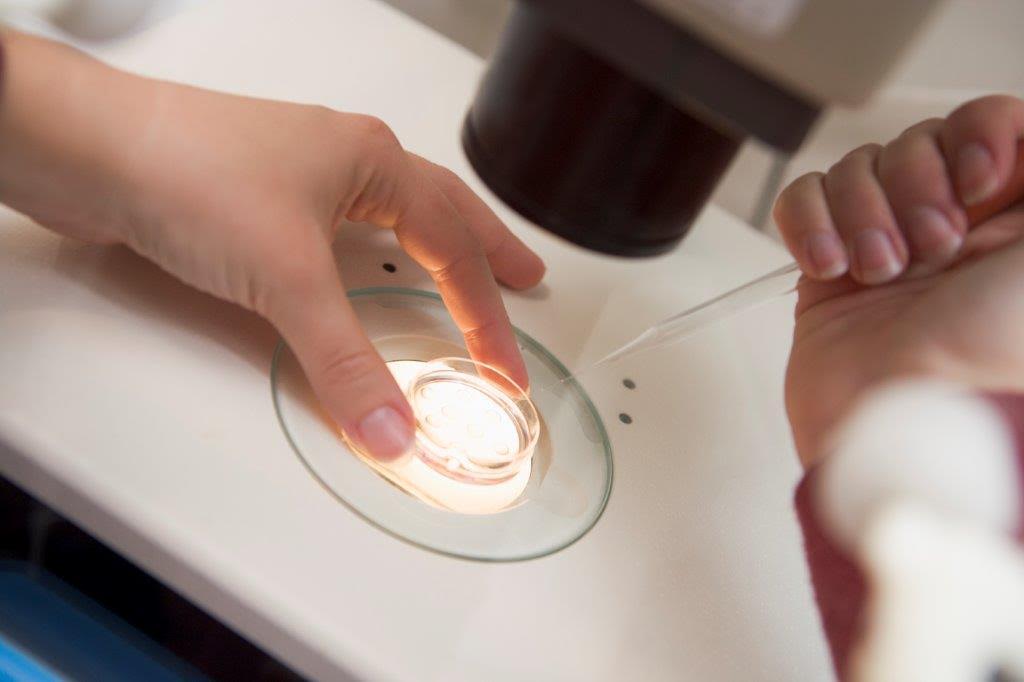
6. In Vitro Fertilization (IVF): A process by which eggs are fertilized by sperm outside the womb in a controlled environment: either a test tube or Petri dish. The process is performed by a reproductive endocrinologist at an IVF clinic.

7. Frozen Embryo Transfer: A process that occurs when a frozen embryo (an already fertilized and frozen egg) is thawed and transferred into a surrogate.

8. Beta Testing: A blood test used to help indicate whether a woman is pregnant approximately 10 days after an embryo transfer. It measures levels of Estradiol, Progesterone, LH, and HCG (which indicate pregnancy).

9. Amniocentesis: A test used to detect any chromosomal problems through the examination of the cells in the amniotic fluid around the baby. This test is done between 15 and 20 weeks of pregnancy (usually around week 16).

10. Chorionic Villus Sampling (CVS): A test performed between 10 and 12 weeks to look at cells in the placenta by inserting a thin flexible tube (catheter) into the uterus though the vagina or by inserting a needle through the belly into the uterus. Similar to an amniocentesis, a CVS procedure can be used to find chromosomal birth defects, such as Down syndrome.

11. Blastocyst or “Blast”: The last stage of development an embryo must reach before it is implanted in the uterine wall. About 40 percent of human embryos reach this stage of development in the IVF laboratory after five to six days of incubation.

12. Carrier Agreement/Surrogacy Contract: A legal contract between the surrogate and intended parents. The terms of the contract are negotiated by the parties through their legal representation. Once the contract is signed, the terms of the contract govern the parties’ interactions. It is very important for both the intended parents and the surrogate to read the contract carefully so that all conditions are understood.

13. Cycle Schedule: A timeline that lists important local monitoring appointment dates leading up to the transfer. This is usually created by an IVF clinic.

14. Egg Retrieval: The process by which eggs are removed from the egg donor for fertilization.

15. Pre-Birth Order: A court issued order that is acquired before the birth of the child. Typically, it will place the names on the birth certificate and allow you access to the child while he/she is in the hospital.

16. Post-Birth Order: A court issued order that is acquired after the birth of the child. Typically, it will replace the surrogate with the intended parents on the newborn’s birth certificate.

17. Egg Donor: A woman who donates eggs, or oocytes, for assisted reproduction via IVF.

Need further explanations or have questions? Call us here at Shared Conception. We can answer your questions and address any concerns. 

img 0481

The Delivery

As a surrogate, when the time comes to deliver the baby, there are so many emotions racing. We want to be sure everything is ready and in place well before the actual delivery day. There will be a cute bundle of joy (or two or three!) that will take center stage, of course.

For the first 12 weeks of pregnancy, the IVF clinic will continue to monitor your progress. Then, the surrogate will be released to the OB/GYN of her choosing. Many times, this is the doctor she has used for her previous children's births and delivery. If there are multiple babies, many times the surrogates will be asked to come to the doctor's office for more frequent visits to ensure the health of the babies and the surrogate.

After the birth, the baby is handed to the intended parents first. It's nice, too, if the intended parents ask the surrogate if she wants to hold the baby. A lot of the times, the surrogate also provides pumped breast milk (or actually, colostrum) for the baby in the hospital if the IPs and surrogate agree to that up front and have arrangements in place.

Furthermore, the hospital usually reserves a close-by room for the intended parents so that the baby can stay in there with them and bond. Usually, it's also a nice gesture if the intended parents take the baby and go visit the surrogate in her hospital room.

Once the baby is released by the pediatrician, the intended parents will leave the hospital with their child. The surrogate will leave the hospital with her family plus savor the wonderful feeling of helping a couple become a family.

Do you have questions about being a surrogate or the process on delivery day? Our surrogacy, Shared Conception, would love to answer any questions you may have. Call us!

8 5 16

A Brief Look at the History of IVF

•  In 1934 at Harvard University, scientist Gregory Pincus conducts IVF experiments on rabbits. Results suggest that similar fertilization is possible in humans.

•  A few years later, John Rock and Miriam Menkin succeed in the first IVF of human eggs. However, implanting a fertilized egg into a woman has yet to be attempted.

•  Fast forward 30 years, British scientist Robert Edwards heads to America to meet with Drs. Howard and Georgeanna Jones at John Hopkins University. They continue their research on fertilizing eggs in vitro.

•  Edwards meets Dr. Patrick Steptoe who developed laparoscopy— the retrieval of a mature human egg. The two join forces and further their research.

•  Lesley Brown and her husband John meet with Edwards and Steptoe. The duo heard about new research into IVF where eggs are fertilized with sperm outside the body in a lab and implanted into the womb.

•  Moving forward with the process in 1977, Steptoe removes an egg from Brown’s ovaries that is later fertilized. The egg develops into an embryo and is implanted into Brown’s uterus. Edwards and Steptoe discover that the fertilized egg was the first to grow in utero via IVF.

•  Born in 1978, Louise Brown was the first human to be conceived through the IVF process. She is now 38 years old.

From this point, assisted reproduction began taking off, giving hope to millions of infertile people and couples. Our surrogacy agency, Shared Conception, is proud to be a part of this movement. Call us as you think about enhancing your family. We can help you. 

7 29 16

Waiting and waiting….patience is important during the Surrogacy process

One of the hardest things to do in surrogacy is wait.  This goes for all parties:  the IPs, the surrogate, the egg donor, the agency coordinator, etc.  It's so hard to wait when something so amazing is almost in your grasp; you just have to put the final pieces of the puzzle into place.  Waiting is also one of the most important things in surrogacy.  Imagine rushing into any other type of commitment and the consequences it can have.  You might meet a lovely couple or a lovely woman wanting to be a surrogate and think, "this is it!  Let's get this show on the road!" but there are so many important factors to consider.

The BIG questions have to be discussed before you ever move forward.  How many embryos will we transfer?  Are we open to reduction/termination?  What will our fees be?  What type of birthing situation would we like?  A good agency can and should help you to dicuss these items and may even do some of this screening before you even meet in person.  It may seem a little odd to talk about so many intimate details right off the bat, but it's important to be sure everyone is on the same page.  

One of the things I've seen so many people do is compromise their true desires and end up disappointed or in a position they did not want to be in.  The effects of this decision can run the range from casting a shadow of awkwardness over the journey to ending up with procedures you agreed to, on paper, but never thought you'd have to actually go through with.  True matching should go over the seemingly trivial details and the hard, heavy items ad naseum so that no one has regrets later down the line.  People tend to get caught up in the emotion of the process and think, "This is almost what I want so those few things won't matter."  Trust me, they matter.  They matter a lot.  So, slow down, think it through, stick to what you originally want for your journey..  You might have to wait a little longer, but the wait is worth it. Not much is finite and predictable in surrogacy (or life!) but the more solid foundation you lay, the better the process will be.  Trying to shove pieces together that don't fit never works out well.  Practicing patience to find that perfect match is one of the smartest decisions anyone involved in surrogacy can make.

7 22 16

Is there a weight requirement to become a surrogate?

Our surrogacy agency, Shared Conception, loves receiving your questions about surrogacy so please keep them coming. One question that weighs on most people's minds is this: Is there a weight requirement to become a surrogate?

There is no weight requirement but there is typically a BMI, or Body Mass Index, requirement.

Why does BMI matter for Surrogates?

BMI is a measure of your body fat based on your height and weight. The requirement is put in place for your safety and to also ensure that the transfer and pregnancy has the best possibly chance of being successful. Shared Conception typically screens surrogates because we want to make sure that a surrogacy journey is going to be the right choice for each individual who applies.

Each fertility clinic has their own BMI limit but most require the surrogate’s BMI to be 32 and under.

Calculate your BMI:

http://www.bmi-calculator.net

Stay in touch with us and, as always, let us know if you have any questions, comments or concerns. Our surrogacy agency is here to help and advise you along the way.