

Pregnancy involves significant physiological changes that can affect various aspects of a surrogate’s health, including her vision. The many changes a woman’s body undergoes  during pregnancy—ranging from hormonal surges to increased fluid retention and changes in blood circulation—can lead to several temporary visual disturbances.
Below we discuss some of the potential vision issues a surrogate may experience.
Common Vision Changes During Pregnancy:
- Blurred Vision: Many surrogates report experiencing blurry vision. This is often due to fluid retention, which affects the thickness and curvature of the cornea. The alteration in the cornea can temporarily change how light enters the eye, leading to blurred vision.
- Floaters: These are small, dark shapes that appear in one’s field of vision. They are especially noticeable when looking at a bright, plain surface. Floaters are generally harmless and result from changes in the vitreous gel that fills the back of the eye.
- Light Sensitivity: This condition, also known as photophobia, can increase during pregnancy due to hormonal changes and is characterized by a heightened sensitivity to light, sometimes accompanied by headaches.
Serious Conditions Associated with Vision Changes:
- Preeclampsia: Vision problems can be a warning sign of preeclampsia, a serious medical condition that causes high blood pressure and can affect both the surrogate mother and the unborn baby. Symptoms may include sudden vision changes, severe headaches, upper abdominal pain, nausea, and swelling. Prompt medical evaluation is essential if these symptoms occur.
Postpartum Vision Changes:
- Following delivery, surrogates may continue to experience visual symptoms similar to those during pregnancy. Hormonal adjustments that occur even after childbirth can continue to affect vision temporarily. Typically, these changes resolve on their own once hormone levels stabilize and fluid retention decreases.
Eye Care and Pregnancy:
- Despite the temporary nature of most pregnancy-related vision issues, it’s crucial for pregnant surrogates to maintain regular eye check-ups. These visits allow healthcare providers to monitor the health of the eyes and address any issues early. It is perfectly safe to undergo eye examinations during pregnancy, and such preventative measures can help ensure that any serious conditions are diagnosed and managed promptly.
Advice for Expecting Surrogates:
- If vision changes occur during pregnancy, it is important not to dismiss them as merely temporary. Consulting with a healthcare provider ensures that any potentially serious conditions are ruled out. Keeping a record of any vision disturbances and discussing these with an eye care specialist can help provide peace of mind and ensure the health and safety of both the mother and the baby.
Awareness and timely medical consultation can help manage the above changes effectively, ensuring a safer pregnancy and postpartum experience. If you have any questions at all please contact Shared Conception, we are here to help you every step of your surrogacy journey. You can contact us at 713-622-1144 or through our website.

 The chair should support the length of your thighs, with your knees at hip level, to minimize stress on your lower back.
 Being a surrogate involves making a profound and generous commitment to help bring new life into the world for another family. This role, while filled with emotional rewards, also comes with certain challenges, particularly when it involves traveling while pregnant.
 When a surrogate is sick during pregnancy, careful consideration must be taken to ensure both her well-being and the baby’s health. Many doctors provide a list of medications and remedies deemed safe during pregnancy, but this list may be limited, particularly in the first trimester. Surrogates are advised to avoid self-medicating with herbal or over-the-counter products without consulting their healthcare provider. This precaution is crucial as new medical findings may have altered the safety profile of commonly recommended treatments.
 One requirement to becoming a surrogate mother is that you have given birth before. Packing your hospital bag for this pregnancy will be very similar to packing for the previous deliveries of your own children.
 altering, accompanied by its own set of challenges and learning curves. However, it is also incredibly rewarding.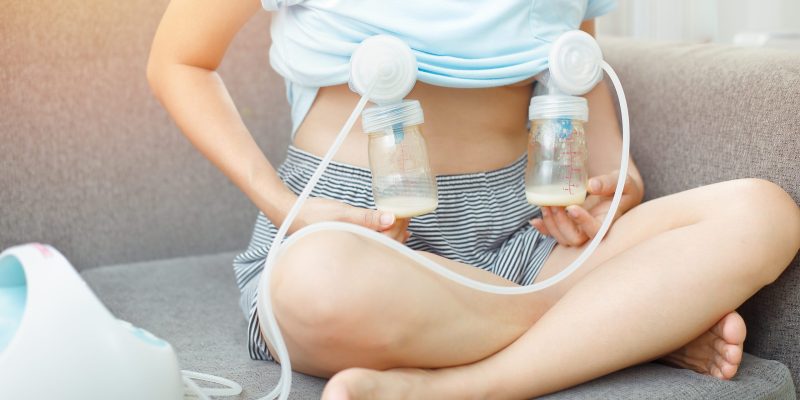
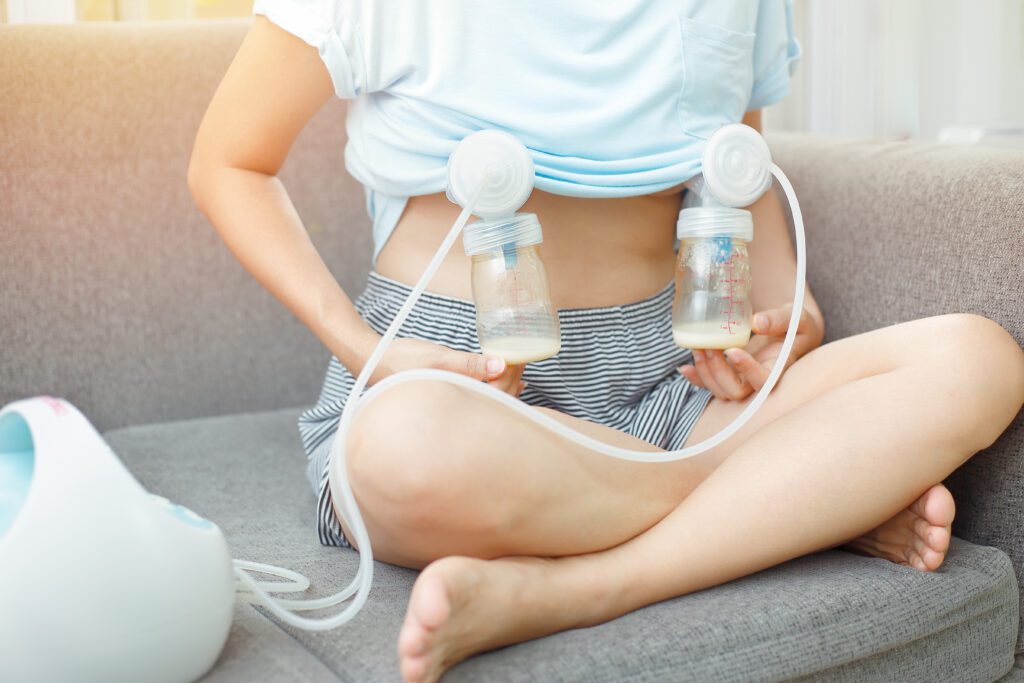 There are various methods for a surrogate mother to provide breast milk for the baby. If the intended mother wishes to induce lactation, this is also an option. This process involves pre-delivery preparations such as hormone therapy, breast massage, and nipple stimulation.
 mother offers a profound chance to contribute to the growth of families and bring boundless happiness to those longing for a child. Thus, when embarking on this journey, prioritizing nutrition becomes paramount. Ensuring both the well-being of the baby and your own health requires careful attention to your dietary needs. Below, we explore nutritious choices and items to avoid.
 As a surrogate mother, you already know that pregnancy brings about significant changes not only in your body but also in your movement and mobility. As your center of gravity shifts, everyday tasks can become more challenging. It’s not uncommon for pregnant individuals to experience falls during this journey, despite the body’s natural defenses geared towards protection for both surrogate and baby. These defenses include the cushioning provided by amniotic fluid and the strong muscular support of the uterus.
 Bringing a child into the world is a journey filled with hope, anticipation, and dreams. For intended parents, this journey can be particularly complex, often involving a large range of emotions, challenges, and uncertainties. Managing expectations becomes paramount as you navigate the path to parenthood. Here are some insights to help you navigate this new journey.